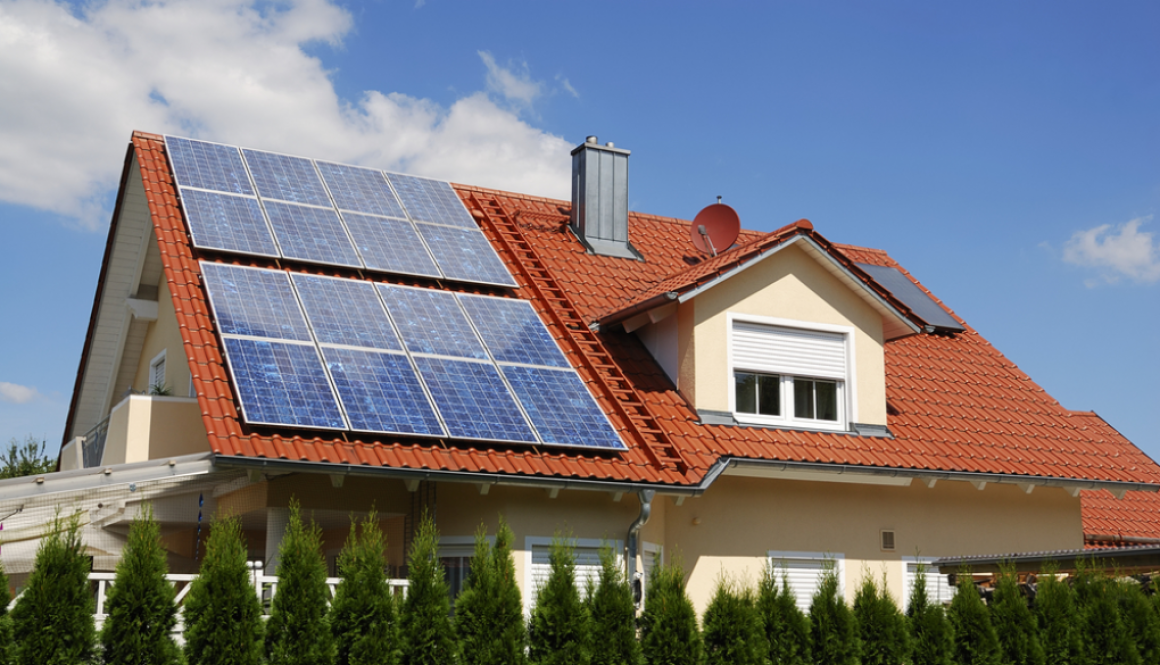
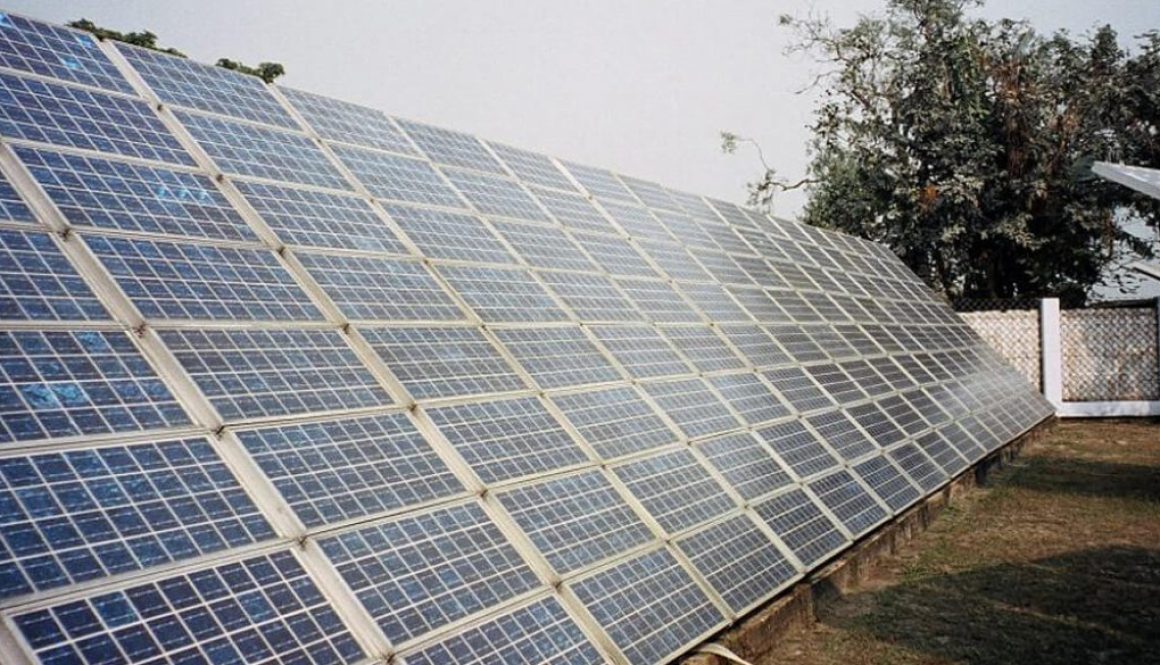
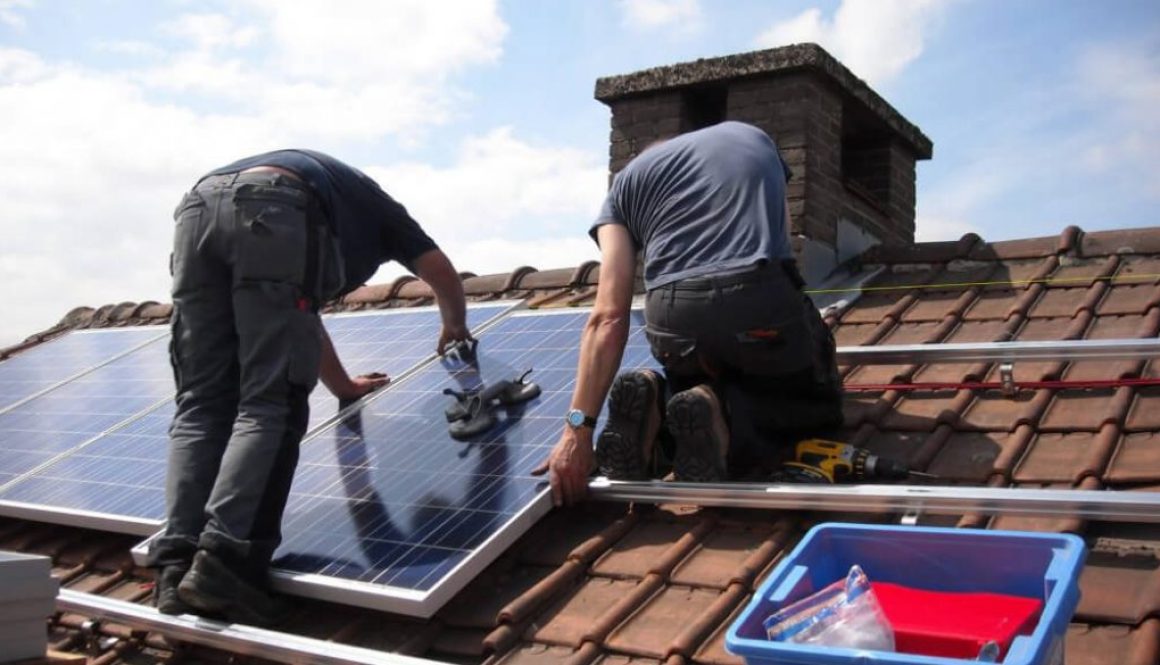
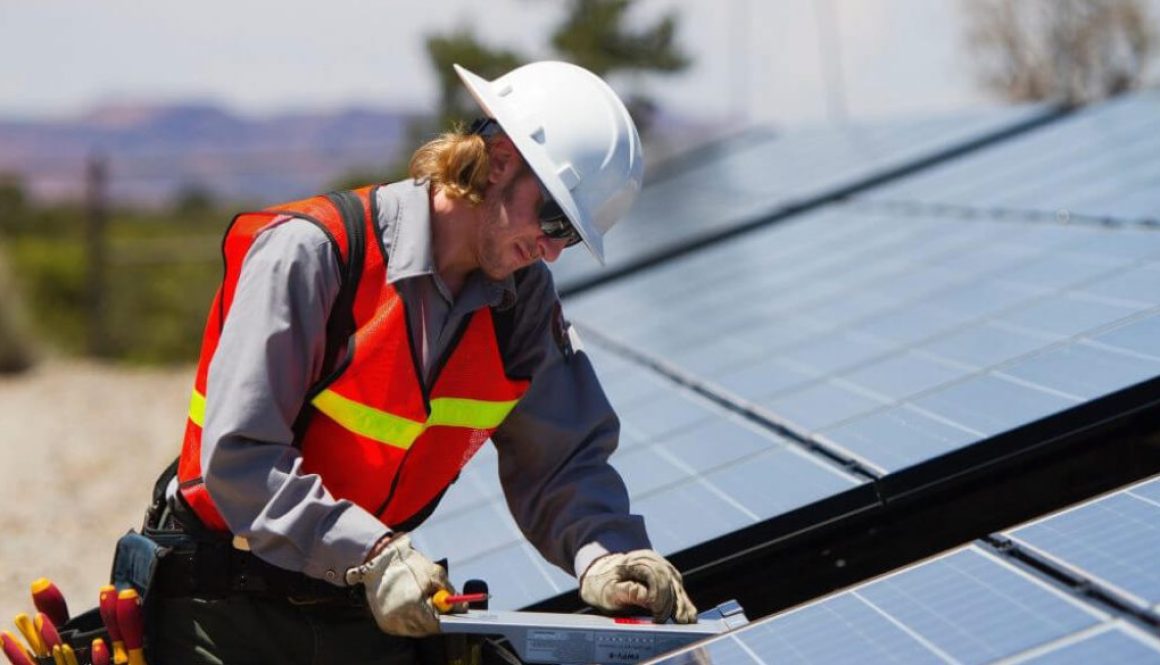
If you are following the current trends of the energy industry, you will know that we are slowly moving more towards solar energy sources. Even in your community, you must be witnessing a lot of your neighbours installing solar energy panels on the roof. The solar PV models are booming.
If you are thinking about saving money on electricity bills, solar energy is probably the right option for you.
But the first question which comes to mind is “How many solar panels do I need to run my house”?
The first step in determining how many solar panels you need involves first setting up your goals. You must first calculate your energy needs throughout the year. This can vary from
household to household and hence you cannot just borrow the calculations. You need to take some efforts to calculate it yourself.
But don’t worry I am here to help. This blog will help you identify your energy needs and calculate the number of solar panels you need to run your house.
To calculate the number of solar panels you need information like what is your yearly/monthly energy consumption? The amount of sunlight your area receives The Surface area of your roof, the wattage, and efficiency of the solar energy panels and the availability of net metering scheme.
One simple way of evaluating the needs of your solar panels is to consult a solar panel dealer or manufacturer, who can give your home energy evaluation.
How Much Solar Power Does Your House Need?
To find your monthly energy consumption, just look into your utility bills for the past 12 months (This way you will include both summer and winter season requirements). Look for the total number of units you consumed each month.
Sum up the total and take an average by dividing them by 12. The easiest way to calculate your sum total is to contact your electric utility and as for the details.
According to a study conducted in 2014, an average Indian household consumes about 90 units (kWh) of energy per month on an average. This electricity is enough to run two light bulbs, T.V. ceiling fans, refrigerator, and small kitchen appliances.
Obviously, your household could use more or less of the average amount depending on how big your house is, the number of family members, and the number of appliances you use.
How Many Hours of Sunlight Do You Need?
Geographically, India is an ideal location for solar panel installation. Different parts of India receives almost 300 days of unobstructed sunlight.
Residential electricity demands peaks during the evening hours since T.V. cooking and other cooling appliances are on.
The peak availability of sunlight will have a maximum effect on solar energy.
For example, if you live on the western side of the country, you could expect a maximum number of peak hours than the northeastern region. That doesn’t mean a homeowner in the eastern region cannot get solar, it’s only that you need more solar panels to produce the same amount of energy.
The cost of solar power has also decreased dramatically in the past two decades. from $60 in the mid-seventies to $1 today. Given the current trend of coal prices, they are more likely to increase even in the coming years. Switching to solar energy sources is presently the best alternative.
The Effect of the Size of Solar Energy Panels
If you have a limited space to use, the number and size of solar panels play an important role. With a large usable roof, you could buy a less efficient system and compensate with more number of panels.
But if you have a small usable roof, buying less but efficient solar panels makes sense. It is the only way you could reach your desired output.
Typical solar energy panels today are about 65 by 39 inches, with some variation for each manufacturer. The size has been unchanged for a couple of decades, but the efficiency has increased dramatically from the past few years.
If you have answers for the above questions, choosing the number of solar panels would not be that difficult. A professional solar panel dealer would study your roof architecture and suggest the number of panels needed for your desired energy output.
Factors Affecting Solar Panel Efficiency
Solar Panel Type – Monocrystalline solar panels are made from the purest degree of silicon available. Hence these are the most efficient. Next is the polycrystalline panels, which is slightly less efficient than monocrystalline panels. New generation thin-film solar panels are the cheapest but less efficient panels and not suitable for household application.
Orientation – For best efficiency, the solar panel must be placed to receive the maximum amount of sunlight and generally preferred facing south in India. Solar trackers are invented to keep track of the movement of the sun but for a household application, they are just too expensive.
Temperature – Seems contradicting but too much sunlight could increase the resistance of solar panel and thus temperature. You need to ensure that solar panels are placed to get enough airflow to maintain optimum temperature.
Lifetime – It is believed that every 2 years, the solar panel loses 1% of its efficiency. Most solar panel manufacturers claim to retain 80% of its efficiency even after 25 years of usage.
Maintenance – Overall solar panels require very less maintenance. However, cleaning your solar panels every now and then is recommended. Just wiping off the dust and cleaning the panels with soapy water could do the job.
Conclusion
Typically most people want to be completely depended on solar energy panels for their energy needs. But with current efficiency, you need to partially be dependant on conventional electricity. The cost of a fully standalone solar panel is too expensive for a regular household.
You should also consider net metering when calculating the ROI of your solar panels. The whole premises of net metering is that you receive credit for the excess energy you produce.
Just taking all the above factors into consideration, you could realistically predict the number of solar panels required to run your house.
If you are following the current trends of the energy industry, you will know that we are slowly moving more towards solar energy sources. Even in your community, you must be witnessing a lot of your neighbours installing solar energy panels on the roof. The solar PV models are booming.
If you are thinking about saving money on electricity bills, solar energy is probably the right option for you.
But the first question which comes to mind is “How many solar panels do I need to run my house”?
The first step in determining how many solar panels you need involves first setting up your goals. You must first calculate your energy needs throughout the year. This can vary from
household to household and hence you cannot just borrow the calculations. You need to take some efforts to calculate it yourself.
But don’t worry I am here to help. This blog will help you identify your energy needs and calculate the number of solar panels you need to run your house.
To calculate the number of solar panels you need information like what is your yearly/monthly energy consumption? The amount of sunlight your area receives The Surface area of your roof, the wattage, and efficiency of the solar energy panels and the availability of net metering scheme.
One simple way of evaluating the needs of your solar panels is to consult a solar panel dealer or manufacturer, who can give your home energy evaluation.
How Much Solar Power Does Your House Need?
To find your monthly energy consumption, just look into your utility bills for the past 12 months (This way you will include both summer and winter season requirements). Look for the total number of units you consumed each month.
Sum up the total and take an average by dividing them by 12. The easiest way to calculate your sum total is to contact your electric utility and as for the details.
According to a study conducted in 2014, an average Indian household consumes about 90 units (kWh) of energy per month on an average. This electricity is enough to run two light bulbs, T.V. ceiling fans, refrigerator, and small kitchen appliances.
Obviously, your household could use more or less of the average amount depending on how big your house is, the number of family members, and the number of appliances you use.
How Many Hours of Sunlight Do You Need?
Geographically, India is an ideal location for solar panel installation. Different parts of India receives almost 300 days of unobstructed sunlight.
Residential electricity demands peaks during the evening hours since T.V. cooking and other cooling appliances are on.
The peak availability of sunlight will have a maximum effect on solar energy.
For example, if you live on the western side of the country, you could expect a maximum number of peak hours than the northeastern region. That doesn’t mean a homeowner in the eastern region cannot get solar, it’s only that you need more solar panels to produce the same amount of energy.
The cost of solar power has also decreased dramatically in the past two decades. from $60 in the mid-seventies to $1 today. Given the current trend of coal prices, they are more likely to increase even in the coming years. Switching to solar energy sources is presently the best alternative.
The Effect of the Size of Solar Energy Panels
If you have a limited space to use, the number and size of solar panels play an important role. With a large usable roof, you could buy a less efficient system and compensate with more number of panels.
But if you have a small usable roof, buying less but efficient solar panels makes sense. It is the only way you could reach your desired output.
Typical solar energy panels today are about 65 by 39 inches, with some variation for each manufacturer. The size has been unchanged for a couple of decades, but the efficiency has increased dramatically from the past few years.
If you have answers for the above questions, choosing the number of solar panels would not be that difficult. A professional solar panel dealer would study your roof architecture and suggest the number of panels needed for your desired energy output.
Factors Affecting Solar Panel Efficiency
Solar Panel Type – Monocrystalline solar panels are made from the purest degree of silicon available. Hence these are the most efficient. Next is the polycrystalline panels, which is slightly less efficient than monocrystalline panels. New generation thin-film solar panels are the cheapest but less efficient panels and not suitable for household application.
Orientation – For best efficiency, the solar panel must be placed to receive the maximum amount of sunlight and generally preferred facing south in India. Solar trackers are invented to keep track of the movement of the sun but for a household application, they are just too expensive.
Temperature – Seems contradicting but too much sunlight could increase the resistance of solar panel and thus temperature. You need to ensure that solar panels are placed to get enough airflow to maintain optimum temperature.
Lifetime – It is believed that every 2 years, the solar panel loses 1% of its efficiency. Most solar panel manufacturers claim to retain 80% of its efficiency even after 25 years of usage.
Maintenance – Overall solar panels require very less maintenance. However, cleaning your solar panels every now and then is recommended. Just wiping off the dust and cleaning the panels with soapy water could do the job.
Conclusion
Typically most people want to be completely depended on solar energy panels for their energy needs. But with current efficiency, you need to partially be dependant on conventional electricity. The cost of a fully standalone solar panel is too expensive for a regular household.
You should also consider net metering when calculating the ROI of your solar panels. The whole premises of net metering is that you receive credit for the excess energy you produce.
Just taking all the above factors into consideration, you could realistically predict the number of solar panels required to run your house.
You may hear the word efficiency been thrown around a lot when discussing solar energy. Currently, the low solar panel efficiency is the number one reason why consumers resist adopting solar energy. The solar panels available in the market today possess an efficiency of around 14% to 18%. Researchers have spent the majority of their efforts in increasing the efficiency of the solar panels. New experiments reveal that researchers are on the cusp of something new.
Before revealing how researchers are tackling the issue of low efficiency, let’s first understand what is solar efficiency and the basic understanding of how solar panels work.
What Is Solar Efficiency?
Solar panel efficiency is the amount of energy a solar cell can convert when it interacts with sunlight into usable electricity. These solar cells are tightly packed in a rectangular box designed to attract sunlight. For additional information about solar panel manufacturing, you can visit the blog How Are Solar Panels Manufactured? The Ultimate Guide.
The measurement of efficiency can be done easily if the efficiency of a solar panel is termed as 20% efficient, it means it can convert 20% of the energy received from the sunlight.
How Does a Solar Panel Work?
In simple terms, the solar panel works by allowing photons to interact with the silicon particles releasing electrons resulting in the flow of electricity. They are usually comprised of a number of photovoltaic cells (Photovoltaic simple means converting the energy of a photon to electricity)
Ground Breaking Research to Increase Solar Efficiency
#1 Development of New Process to Improve the Efficiency of DSSC (Dye-Sensitized Solar Cell)
Dye-sensitized solar cells are third-generation solar cells which convert any visible light into electrical energy. DSSC is a disruptive technology which can be used to create electricity even in low light conditions, indoors and outdoors, enabling you to convert both natural and artificial light.
The DSSC holds a lot of promise because of their environmental benefits. But the current DSSC technology has a very low light to electricity conversion ratio. The new process addresses this inefficiency.
The first generation silicon-based solar cells have a high efficiency of 26% but they are not economical. Second generation thin-film solar cells comprising semiconductors have comparable efficiencies with a similar price range. The third generation DSSC solar cells have low efficiency, with lower cost and less environmental impact.
Researchers recently introduced holmium oxide, a powerful paramagnetic material into the anode of a DSSC cell and applying an external magnetic field. The experiment showed a spike inefficiency.
However, the application of magnetic field consumes a lot of external energy because the electromagnets themselves require an external power source for functioning. Researchers then replaced holmium oxide with iron oxide magnetic particles which produce a magnetic field internally. Even this experiment witnessed a spike inefficiency.
The dye molecule absorbs the light energy in DSSC and causes the electron to jump to titania and then the external circuit, which results in the flow of electrons and thus electricity.
#2 A New Way to Strike High Energy Photons to the Silicon Material
Traditional solar energy panels have an absolute low-efficiency mechanism. In principle, a single photon could only extract one silicon electron, irrespective of the energy it possesses.
Researchers have now developed a way to strike high energy photon and knock out two electrons instead of one.
How Do Photons and Electrons Interact?
The energy from the photons can be absorbed or released by electrons. When an electron absorbs a photon, it gains the energy to release itself and move freely in the vacuum chamber or it can release the energy as another photon. Solar panels absorb energy from electrons to generate electricity.
Researchers Split the Absolute Photon’s Energy
The present silicon solar cells have a theoretical maximum efficiency of 29%. As mentioned earlier, no matter how energetic the photon is, the principle is to extract only one electron. The new process developed by researchers involves extracting two electrons from a single energy photon by using a phenomenon called “excited states”
What is an Exited State?
When an electron temporarily achieved a state higher than its original ground state, the phenomenon is known as the excited state of an electron. An electron can become excited when supplied from an external energy source such as packets of photons or light.
In excitons, when the packets of energy travel like electrons in the circuit, you can use them to change the amount of energy they possess – you can cut them or you can combine them to gain the required output.
The researchers were successful in carrying out a singlet exciton fission, which allows a single photon of sunlight to be split into two individual packets of energy.
First, the material absorbs light energy and enter into an exciton state that rapidly undergoes fission and splits the photon into two energy packets, each one possessing half the energy of the original photon.
The next task researchers had was to combine these packets of energy with silicon electrons, a material that is not excitonic. A layer of hafnium oxynitride acts as an intermediate layer for the excited states to transfer two electrons to the silicon material.
Theoretically, this produces a much greater energy output than the traditional solar panels. Currently, the theoretical efficiency lies around 29%, this process is promising a jump to 35%.
The next hurdle is to optimize the silicon cell to adapt this process and hence the commercial application of this new technology may take a few years.
The efficiency of the solar cells is the biggest hurdle in the widespread acceptance of this clean renewable source. With the advent of new technology, promises around solar efficiency are taking a new and exciting turn. If successful, solar energy could really become the future fuel as predicted by many energy experts.
The two new methods of enhancing the existing efficiency of solar panels look promising. The best thing about these technologies is that it doesn’t require any additional accessories since the research is been done at an atomic level with few chances of getting affected by any external factors.
Cricket World Cup is on an interesting peak and the stadiums are packed with the crowd. There is nothing more exciting than watching your favorite players sweat out and carve their path to glory.
What many of us are unaware about is that most of the stadiums are powered by solar energy. These stadiums attract a lot of electricity during live championships and hence many stadiums around the world are joining the clean energy revolution. The environmental of such famous stadiums not only makes an environmental impact but also help advertise clean energy sources.
Today let us discuss how various sports stadiums around the world have adopted solar energy to fulfill their power needs.
When it comes to sports and India, no conversation should begin without talking about cricket. India has a huge cricketing fan base and hence stadiums are filled with people for most days of the year. IPL (Indian Premier League) is one of the biggest and longest sporting events in the world which is held every year.
With 13 cities ranking in the top 20 most polluted cities in the world, Indian authorities are taking some drastic measures to curb this pollution.
Solar Powered Cricket Stadiums in India
Bangalore’s Chinnaswamy Stadium
A 400 kW capacity solar panel has been installed on the rooftop of Bangalore’s cricket stadium. It became India’s first cricketing stadium to start this green initiative. The initiative will not only bring down the conventional dependency but also generate revenue for the stadium. As per the design, the grid can easily manage all the power requirements except the floodlights.
The stadium spends around 2 crores on electricity bills every year consuming 18 lakh units. The new initiative is supposed to produce 6 lakh unit of energy, part of which will be consumed and the surplus is fed to the power grid under the net metering policy.
The system is also designed to treat the neighboring sewage water and use it to maintain the green lawn. The entire project is supposed to reduce 600 tones of carbon emissions.
Khanderi Stadium, Rajkot
This newly built Rajkot’s Khanderi stadium becomes India’s second stadium after Bangalore to be partially solar-powered. The cricket stadium is situated 15 km away from the city of Jamnagar, has installed solar capacity of 50 KWP. The grid is designed to generate 7000 units of power per month, saving an annual budget of Rs. 54,600/-
In terms of carbon emission, it translates into saving 50 tonnes of carbon emission every year.
Brabourne Stadium, Mumbai
Brabourne stadium of Mumbai, hold the record of installing the world’s largest solar rooftop. Tata Power has commissioned an 820KW capacity of solar panels. The project is supposed to generate 1.12 million electricity per year.
Reducing monthly consumption by 25%. Currently, the stadium consumes, 4 lakh kWh of electricity each month, with newly installed solar panels the consumption is estimated to fall down at 3 lakh kWh/month. In terms of environmental health, it is estimated to prevent 840 tonnes of carbon emission annually.
Solar Powered Stadiums Around the World
Solar Powered Baseball Stadiums
Baseball is America\’s favorite past time. Today the baseball stadiums are dazzled with attractive lights and flashy billboards. The electricity consumed has to come from somewhere, today most of the stadiums are modifying themselves to use solar energy.
Chase Field, Arizona
Arizona is infamous for its high-temperature conditions, but its sweltering day doesn\’t scare off their baseball fams. The high temperature makes it suitable for solar energy cultivation. The chase field of Arizona built a solar park of 75-Kwh just outside the ballpark’s western entrance. The fans can enjoy some shade while consuming the flashy billboards.
Safeco Field, Seattle
Seattle is not very sunshine friendly, but the latest solar energy panels are so superiorly designed, they can still work in overcast and cloudy weather. Safeco tested this theory and installed a 33-kWh solar panel system generating around 40,000 kilowatts of electricity every year. It is enough to prevent 28 tons of carbon emission in the atmosphere.
Solar-powered Football Stadium
Levi’s Stadium – San Francisco
Levi’s stadium is one of the best and gorgeous football stadiums in the world. It is designed to house 1000 solar panels which generate enough power to run all of its home games but also cultivates a 27,000 square feet “green roof”. The water irrigated on the roof is used to maintain the playing field.
Mercedes-Benz stadium, Atlanta Falcons
Mercedes-Benz football stadium incorporates a 1300 kWh solar panel system, housing around 4000 solar panels. Mercedes Benz even uses the surplus energy to power neighborhood cities.
Lincoln Field Financial – Philadelphia Eagles
Lincoln field champions prize themselves as the solar champions by installing a whopping 11,000 kWh solar panel installation and possess the capacity to generate a staggering 3,000 kWh of energy per year.
Solar Powered basketball courts
Golden 1 Center – Sacramento Kings, California
Sacramento kings are the first closed arena in the world to ever install a solar panel to facilitate their energy needs. California houses the greenest houses than anyone in the entire united states. The Sacramento kings are officially the greenest arena in the basketball community, with a huge capacity of 11,000 kWh of solar energy production.
Conclusion
Everyone knows the importance of sports and how it brings people of different sections together for celebration. Everyone is a fan of sports and the thrill of victory and heart break is commonly shared between each fan.
Renewable energy being advertised by any sports authority to the public delivers a strong message and helps in the widespread acceptance of ideas.
Currently, there is a general perception around solar energy that it is not economic friendly and the ROI’s are poor. The acceptance of solar energy by these stadiums on large scale proves the efficiency of solar energy and demonstrate a working case study of how large scale organization could make a difference.
Not only the environmental impact but also its impact on the policies. A successful demonstration of large scale solar application could force the government to make solar installation compulsory for large scale authorities like sports stadiums.
India is the world’s third largest producer of electricity, yet it is ironic how the major part of Indian villages and even urban areas face an acute shortage of electricity. There are a number of cities, towns, and villages that do not receive ample amount of electricity and hence an alternative source of electricity is exploited by Indian consumers.
In this case, solar energy is a top contender among the alternative renewable resource. In fact, to promote solar energy in India, the Government started various solar energy schemes to provoke people to choose this alternative source. The objective of the majority of schemes is to support domestic production of solar energy and supply critical products to achieve that goal.
As apart of these missions government has initiated subsidy schemes to help individuals and organizations procure solar energy systems at reduced capital cost. The scheme is being implemented by IREDA (Indian Renewable Energy Development Agency Ltd.) through NABARD (National Bank for Agriculture and Rural Development).
What are Solar Energy Subsidies?
Energy subsidies are measures that keep prices for consumers below market levels or for producers above market levels or reduce costs for consumers and producers. Energy subsidies may be direct cash transfers to producers, consumers, or related bodies, as well as indirect support mechanisms, such as tax exemptions and rebates, price controls, trade restrictions, and limits on market access. They may also include energy conservation subsidies. The development of today’s major modern energy industries has all relied on substantial subsidy support.
Benefits of Energy Subsidies
Security of Supply: Subsidies are used to ensure adequate domestic supply by supporting alternative energy production to reduce dependence on fossil fuels and overseas deals with national energy companies.
Environmental impact: Subsidies are used to promote solar energy resources and decrease the impact of fossil fuel on the environment and fulfill international obligations.
Economic benefits: Subsidies in the form of reduced prices helps to develop a particular sector or segments of the population. Eg – Increasing access to electricity can help alleviate poverty in developing countries like India.
Employment: Subsidies are used to maintain employment, especially during the economic crisis.
National Bank for Agriculture and Rural Development (NABARD)
NABARD is an apex development financial institutions of India. Headquartered in Mumbai, the regional offices are scattered all over India. The bank concerns itself with policies, planning, and operations in the field of agriculture and other important sectors in Rural India.
Procedure to Get Solar Subsidy on Solar panels Through NABARD in India
The step mentioned below outlines the procedure of purchasing a solar panel system and also obtain a solar subsidy from NABARD.
The first step is to contact a reliable solar panel dealer/manufacturer from whom you would like to purchase a solar panel system. Your dealer must be authorized under MNRE (Ministry of New and Renewable Energy).
But only the models approved by MNRE are eligible to be covered under the scheme. The list mentioned below depicts the models approved by MNRE:
The benchmark cost of solar panel system is Rs.270 Wp as per NABARD’s document. But the costs change from time to time, and your dealer must be aware of these prices and should guide you during the process.
40% of the cost is subsidized and the rest must be paid by the consumer and is also eligible for a soft loan. However, the margin to be paid by the beneficiary is decided by RBI norms. The repayment period for the loan is 5 years. The interest rates to be paid are also decided by RBI norms.
In case the benchmark cost is more than the unit cost, you receive all 40% of the subsidy. But if the benchmark cost is less than the unit cost, then you receive the maximum ceiling cost as mentioned in the table above.
Only individuals, a group of individuals, Non-profit organizations and farmer’s group are eligible for subsidy under NABARD bank. Public/Private sector are not eligible for this loan.
To avail the loan and subsidy process, you need to have a bank account with a scheduled commercial bank or a regional rural bank. Most public national bank is eligible for this subsidy.
To obtain loan and subsidy, you need to submit the quotations and documents available from the dealer. The dealer should provide MNRE approval form, TIn number, project proposals and some other legal documents verifying their business.
After document submission and loan approval the process is run through NABARD for subsidy approval. The rate of interest starts as soon as the loan is processed. Though NABARD takes some time to process the subsidy and according to MNRE, should not be subjected to EMI’s.
The bankers own the rights to recall the amount if they see some discrepancy in the usage of subsidy.
How Much Solar Subsidy is Available?
According to the latest reports of MNRE. 30% to 90% subsidy is available for all the consumers in India.
90% on solar pumps for farmers only
70% for 3 hill states – Himachal Pradesh, Uttarakhand, Jammu, and Kashmir
30%-40% in all states of India
Who Can Get Subsidy on Solar Panels in India?
All the following consumers can get a Govt. Subsidy through MNRE projects:
Domestic: All residential owners are eligible to receive a subsidy from Govt.
Social Sector: All registered bodies, societies, multi-story buildings, co-operative group housing societies are eligible to receive subsidies.
Institutions: All school, colleges, and similar institutions are eligible for a subsidy
Non-Profit Organizations: NGO’s including orphanage, old age homes, homes for disabled etc are eligible for loans and subsidies.
Return on Investment – ROI of Solar Panels
Residential and commercial solar residents who spent 1500/- monthly should consider installing a grid-tied solar panel to save their net metering benefits by at least 20% – 30%.
Frequently Asked Questions – Grid Connected Rooftop Solar
What is a Rooftop Solar System
In a rooftop solar panel system, the solar panels are installed on a residential building, commercial complex or an institution. There are generally two types:
Grid-Connected Solar Panel system
Rooftop solar panels with a storage facility
How much area is required for a 1kW of a solar panel system
A 1kW rooftop system generally requires 12 sq.meteres (130 square feet) of flat shadow-free area. The actual size depends on the size of the roof and whether the condition and efficiency of the solar panel.
How much area is required for a 1kW of a solar panel system
The average cost of grid-connected rooftop solar systems is about Rs. 75 per watt.
What is Net metering?
Net metering is a billing mechanism that credits a value to the electricity produced by the solar panel owners and transfers it to the grid. Alternatively, two meters can be added separately to measure the input and output of the energy.
What is Feed in Tariff?
The feed-in-Tariff is the tariff the government offers for purchase of solar power generated from such plants.
What are the Requirements from the State to promote rooftop solar panels?
States should have a well-designed policy to promote grid-ties solar panel system.
The state should regulate appropriate tariff, net metering feed-in tariff, and grid connectivity.
The distribution companies should allow distributing electricity through feed-in tariffs and net metering policies.
What are the Different Models of Implementation of Rooftop Solar Panels?
CAPEX Model: Here the entire rooftop solar system is owned by rooftop owner. The operation and maintenance for the system lifetime is also the responsibility of the owner. The dealer must install the solar panels is responsible for the first two years of operation and maintenance.
RESCO Model: Here the entire system is owned by the developer. The operation and maintenance responsibility is also with the developer. The rooftop owner may consume electricity for which they have to pay a pre-defined tariff on a monthly basis. Excess generation may be exported to the grid, subject to availability of requisite state regulations.
What efforts is Government taking to Push Solar energy Power?
Government of India and the department of financial service have encouraged all nationalized banks to provide a home loan/home improvement loan to install a rooftop solar panel and include the cost of the system in the home loan proposals. So far, nine PSBs namely Bank of India, Syndicate Bank, State Bank of India, Dena Bank, Central Bank of India, Punjab National Bank, Allahabad Bank, Indian Bank and Indian Overseas Bank have given instructions to extend the loan for Grid Interactive Rooftop Solar PV Plants as home loan/ home improvement loan.
Conclusion
Keeping in mind the cost of installation of solar panels, the main objective of the mission is to promote the installation of rooftop solars on residential and commercial buildings. The Indian Renewable Energy Development Agency Limited (IREDA) is responsible for implementing the scheme with the help of NABARD. After the modification of the scheme on 15th March 2012, it has been declared that 40% subsidy will be provided on capital costs of solar PV systems for units which are located in both urban and rural areas of India.
The demand for the renewable sector is in a surge today. In order to tackle global emission problems, a new plethora of solar energy technologies is been invented. But with development in technologies, the myths of solar energies are also rising. The fossil fuel tycoons are not agreeing with the claims made by the solar industry. As a result, there is a lot of confusion and myths circulating among consumers. It’s time to expose some of the myths and that’s what this blog aims to do.
So let’s get started…
Myth #1 Solar Panels do not Work Well in Cold Climate
Fact – Many solar panels actually do work in cold and a faint cloudy climate. The technology is developed keeping the weather condition of a geographical area in mind. Cooler temperature with not too much clouds actually facilitates the easy flow of electricity through the panels. The cloudy weather does not inhibit the process as there is enough sunlight to produce the required amount of power. Cold sunny winter produces an acceptable amount of electricity when compared to summer conditions. Examples of countries where such systems are efficient are Germany (world leader of solar panels), the UK, China and Italy.
Myth #2 Solar Energy is Too Costly and Not Economically Feasible
Fact – If we look at figures produced in the last decade, the prices of technologies like solar panels, inverters, and installation fees has reduced dramatically. The investments in solar technologies have gone up, resulting in the rising of new innovations. Due to high competition, there is a race among companies to provide the most affordable solar panels. The average price of producing electricity through solar panels has dropped by 30% globally. Today it is actually cheaper to produce energy through solar panels than fossil fuels.
Myth#3 Solar Panel Installation is Complicated and a High Maintenance Job
Fact – Solar panel installation is quite straight forward, as long as you are using a reliable dealer. Ideally, the system is connected to your utility grid, which is common among electrical utilities, making it easier to maintain. They just need to be periodically cleaned to remove any accumulated dust, leaves and other debris blocking the sunlight. Solar panels are designed to be durable and require low maintenance. Many installers recommend an annual inspection of solar panels and other related accessories. Plus, if you lease the panels and system, maintenance is typically provided by the leasing company. Keep in mind, panels with tracking subsystems may require additional maintenance and care. It is always recommended to know as much about maintaining and operating your solar panel.
Myth#4 Solar Panels Cause Damage to Your Roof
Fact – The solar panel actually benefits the roof they are mounted upon. Professional installers can place solar panels on any roof pitch, angle, and condition. They do not damage the roof they are mounted on, and in some cases even protect it from unlikely events. In case the panels are sitting on the roof that is already damaged, the panel can be easily removed since they are just mounted on top of it. Usually, if there are gaps between the rooftop and panels, a sealant is used. The panels are protected using metal coverings to provide additional protection. Always, make sure your roof is damage free before installing the solar panels.
Myth#5 Solar Panels Store Excess Sunlight In Batteries
Fact – The vast majority of home solar panels do not store excess energy in batteries. If you are living on a grid, your system is connected to an electricity grid, thus you would benefit from the net metering scheme. Additionally, if you are connected to the grid, you can still use your local electrical utilities. So if you produce additional electricity in the day time, the energy gets credited in your account. Therefore, if you need more energy in the absence of sunlight, you end up utilizing the extra energy to power your home from the grid. The switch happens automatically and you won’t notice anything unusual.
Myth#6 Solar Panel Requires A Tracking System To Follow The Sun
Fact – This factor depends upon how experienced your solar company is in handling solar panel installation. Typically the panels are designed and mounted in such a way that it gets maximum exposure to the sun and hence a tracking system is not required. No two solar panel can be fitted similarly. The calculations need to be exactly measured before mounting the solar panels. Some modern solar panels use the tracking system to adjust panels throughout the day. But the additional expense may not be worth the expense.
Myth#7 Solar Panels Depreciate the Value of Your House
Fact – Actually, it is quite the opposite. Solar panels would enhance the value of your property. Homes installed with solar panels sell faster than the regular homes. Although the initial investment in solar is higher, it will pay you in the long run as an increased cost of the house. Solar is an emerging technology and everyone knows how important it is to save the electricity bills, Solar panels could actually be a Unique selling point in your proposal.
Myth#8 Solar Panel Prices are based on the Size of Your Home
Fact – Solar panels are designed to accommodate the needs of each individual homeowner. The main criteria are the roof slope and the amount of space available on your roof. The surrounding area of the roof is also considered to maximize the amount of sunlight received by the solar panels.
Myth#9 There is No Financial Incentive Provided By the State
Fact – Almost every state in India has some or the other kind of financial incentive for using solar energy. The government is trying hard to push solar energy in the market and hence they are implementing various schemes and tax benefits for the citizens.
Solar is the future of energy, I guess it’s high time now that we burst the myths surrounding this clean energy. Both solar energy companies and the Government should advertise the positives of solar energy and create awareness about Global warming. Installing solar panels is a worthwhile investment for homeowners. They ensure greater sustainability, reduced utility bills and in the long run, save money in your pocket.
Solar energy is witnessing new technological advancements everyday. Now a new revolution is just around the corner. Now solar energy isn’t just for electricity. It can also provide carbon-free heat for a variety of industrial process. The industrial process that drives our economy – manufacturing, food production, mining, chemical production is always under the hood. But there is one common point which drives these industries – Heat, a lot’s of it, which takes an enormous amount of fuel to produce it. Heat and fuel is an important part of any industrial economy. But also the most devasting form of energy when it comes to global heating.
The good news is that new technological advancements in solar energy, we can generate heat and steam at large volume as required by industry- cutting cost, reducing emissions and more importantly controlling the carbon footprint of industries.
Despite many attempts to ramp up renewable energy projects around the world, the consumption of coal is an all-time high in many countries. This must change at a global level. Worldwide industries constitute for about one-fourth of total carbon emission, With the transportation and domestic use of energy going down, industrial use is predicted to rise in the forthcoming decade.
As people around the world continue to migrate from village to urban cities and buying and consuming more goods, the industrial demand will keep on rising. This is the reason why the need to replace fossil fuel with solar heat is becoming more urgent.
Which brings us back to heat. Industries are the largest consumer of heat energy. Around 74% of the energy consumed by the industries is in the form of heat. Solar heat is still an unexplored but promising avenue due to reducing dependency on fossil fuels.
Integration of Solar Heat into Industrial Process
The most industrial process requires heating of both the fluid systems ( hot air steam, hot water) or a reservoir or both to run their industrial machines. The existing heating systems are based on the water getting converted into steam and the heat required is provided by non-renewables like petroleum, diesel, coal or electricity generated by different energy sources. Solar processes can contribute to reducing at least 20% of fossil fuel consumption. A limiting factor for solar heat integration is the scarcity of roof space to install solar energy panels.
The integration of solar heat into the industrial process can be done by the following three methods:
1) As a heat source for direct heating of circulating fluid
2) As an alternative source of heat for processes with low-temperature requirements
3) As an additional source of heat coupled with fossil fuel sources
With the first option, the storage will be an important component, since you need to provide heat throughout the day. With the second and third option, the solar heat will work together with fossil fuels when an additional source of heat is required.
Integration of solar heat with industrial process requires you to also create some remedial and control strategies to handle the non-continuous supply of solar heat. The accurate designing of solar panel systems can be carried out by accounting the energy demands and supply.
Performance and Cost of Integrating Solar Heat
Solar heat is been explored since the late 1970s and large scale solar energy projects have been deployed in numerous industries for demonstration purposes since the late 1980s. The most significant problems encountered are corrosion, leakage of pipes, faulty tracking system or dust collecting in the solar collectors. The advanced designs of solar collectors have addressed these issues but also made it more expensive. The capacity factor is also location specific and can range from 4% (e.g. Japan) to 16-20% (e.g. UAE/India) to 29% (e.g. Mexico).
Between 50-70% of the cost involved in implement solar heat is related to capital, the remaining 20-30% covers the installation and integration cost. In terms of individual components, the solar energy collector and installation accounts for 50%, piping and circulating system accounts for 20 %, buffer and storage systems accounts around 10%, control systems for 5% and rest 15% includes other miscellaneous expenses.
Most technologies and solar components are provided by local companies, similar to those provided in the residential Solar PV sector. However, for larger projects, there is an international transfer of technologies.
In the future, solar thermal components can be made more cost-effective when designed to deliver specific industrial process needs.
As a countries installation capacity tends to increase, the large installation will facilitate economic benefits and lower investment costs, thus increasing the projects overall economic viability.
Drivers and Barriers
The key benefits of adopting solar heat for the industrial process include
1) reducing the dependency of industries on fossil fuels
2) reducing the risk of associated with the rising price coal, petroleum and natural gas.
3) eliminating fuel cost
4) reducing carbon footprint
The current cost of solar collectors is controlled by relatively a small number of suppliers. Although these technologies are of high performance, the cost is not yet suitable for the global market. The previous experience of dealing with local authorities for solar components reduces the capital cost and improve business opportunities for local people.
The main barriers to increase the deployment of solar heat for the industrial process include
High initial investment and lack of financing options: All solar projects invites a high initial investment. Proper maintenance is required to operate the project optimally over its full life expectancy. It takes years before you first start making a profit from your installed capacity. The upfront costs are high and cannot be afforded by medium and small scale enterprise. However, large scale industries are already taking some small calculated step towards adopting this technology.
Fossil fuel pricing: In many countries, the fuel utilized by industries is subsidized to support industrial development. This makes fossil fuels cost-friendly when compared to solar heat.
Lack of research and design tools: There are very few institutes who are actively involved in researching solar heat technologies. As a result of which there is no complete information available regarding design guidelines and tools. Even for existing technology, the knowledge of optimum integration is scarce and as a result, the efficiency takes a toll. Training and dissemination of existing knowledge and concepts are needed to overcome this problem.
Public awareness: Probably the most significant barrier in deploying solar heat is the lack of public awareness. There are very few industries who have the first-hand experience of actually implementing the technology. Due to the high cost, many industries do not try for a trial and error method. This is likely a key barrier in large scale solar heat adoption. The economic and practical advantages of adopting solar heat are yet to be explored on a large scale.
Conclusion
Solar heat is an interesting arena to explore and could possibly become one of the greatest outcomes of solar energy advancements. Despite the technical potential, the actual implementation of solar heat is quite low. Policy makers need to invest their brain to achieve higher market penetration. To fight economic barriers, solar components can be dealt with local authorities, thus providing a mutually reinforcing strategy to support a healthy national industry.
Sun is the ultimate source of energy. All the processes natural process that occur on earth are directly or indirectly related to the sun. Even though humans knew the power of the sun from pre-historic ages, it was only a few centuries ago that humans have tried to capture this energy for domestic use. Today solar energy is the most widely researched arena when it comes to renewables, but it was never the same in the past. Solar panels have gone through a transformation to be at the position it is today. It is easy to forget that solar energy had a completely different meaning just two decades ago. To understand the journey let’s explore its important timelines throughout history of solar energy.
Year 1767: Swiss scientist Horace de Saussure was credited for successfully inventing the world’s first solar collector. This was a great breakthrough and led the foundation of today’s solar energy technology. Later a traveler named Sir John Herschel used the concept of the solar collector to cook food during his south African expedition and thus began the domestic use of solar energy.
Year 1839: Nearly a half decade later, a French scientist Edmond Becquerel discovered the photoelectric effect while experimenting with electrolyte cells made of metal electrodes placed in the electrically conducting solution. He observed that the generation of electricity saw an increase when the metals were exposed to sunlight. This effect is the principle on which the modern solar panel system work. The photoelectric effect is the emission of electrons or other free carriers when light hits a material. Electrons emitted in this manner can be called photoelectrons. The electrons when channelized can conduct electricity.
Year 1860: 1860s saw the invention of steam engines which used to run on coal. A French mathematician August Mouchet proposed an idea for solar-powered steam engines. Then he spent the next two decades working on that idea along with his assistant, Abel Pifre. In the year 1880s, they successfully built the first solar-powered engines and used them for a variety of applications. These solar powered engines became the foundation for today’s parabolic dish collectors.
Year 1873: Willoughby Smith discovered the photoconductivity of selenium.
Year 1876: William Grylls Adams and Richard Evans Day discovered that selenium conducts electricity when exposed to enough sunlight. The selenium cells were not efficient, but it was proved that light, without heat or moving parts, could be converted into electricity. This experiment proved that a solid material can be used to harness the limitless power of the sun.
Year 1883: An American inventor and scientist named Charles Fritts, invented the first solar panels made from selenium wafers.
Year 1905: Albert Einstein published a paper explaining the photoelectric effect. This explanation paved a way to use the principle in many new discoveries. Even with solar energy, the explanation of how light behaves with dual nature opened doors to experiment with new methods and materials.
Year 1908: William J. Bailley of the Carnegie Steel Company invented the world’s first commercial solar collector with copper coils. This design became widely famous after its release and is still used to design solar cookers and solar water heaters.
Year 1918: Polish scientist Jan Czochralski developed a way to manufacture single crystal silicon wafers. Since silicon is abundantly available on earth, this method was widely accepted by industrialists to manufacture solar energy panels and is used even today. This opened the door for solar energy to be used for domestic purposes.
Year 1947: After devasting power usage in world war 2, most of the countries were looking for alternative options to fulfill their energy needs. This accelerated the use of solar power and the demand for passive solar buildings surged.
Year 1954: In 1954 Photovoltaic technology is born in the United States when Daryl Chapin, Calvin Fuller, and Gerald Pearson develop the silicon photovoltaic (PV) cell at Bell Labs—the first solar cell capable of converting enough of the sun’s energy into power to run everyday electrical equipment. Bell Telephone Laboratories produced a silicon solar cell with 4% efficiency and later achieved 11% efficiency.
Year 1955: Western electric began commercially selling silicon PV technologies. This age also witnessed the revolution of electrical components. Many electrical companies began licensing their own silicon-based products. Early successful products included dollar bill changer and computer punch cards.
Year 1955: Architect Frank Bridgers designed world’s first building integrating solar water heater and passive design. The solar heater is continuously operating since then. It is registered as a historical landmark as the world’s first solar heated office building.
Year 1956: U.S. signal laboratories approached Paul Rappaport and Joseph Loferski to discuss the possibilities of using solar energy panels in space applications and about developing special solar energy panels to be used in satellites orbiting around the earth.
Year 1957: Hoffman Electronics achieved 8% efficient photovoltaic cells.
Year 1970: Dr Elliot Berman, successfully designed the first affordable solar energy panel. It bought down the price of solar energy from 100$ per watt to 20$. Using solar energy for domestic use began to be viewed as a sensible option. Solar applications were started being used on off-shore activities like power navigation, offshore lights, powering horns, railroad lights, lighthouses etc. It became easier to provide electricity to remote places where the conventional electric sources were not affordable.
Year 1976: NASA began installing 83 solar power panels on every continent except Australia. These solar energy panels delivered electricity to a variety of appliances including medical refrigerators, room lighting, clinic lighting, television communication, grinding and classroom lighting.
Year 1981: Paul MacCready built the first successful solar-powered aircraft. In its first voyage, it traveled from England to France crossing the British channel. The aircraft was designed by mounting around 16,000 solar cells on its wings, producing around 3000 watts of power. The design was inspired by solar cells powering the space crafts in space.
Year 1986: The world’s largest solar thermal facility was inaugurated in California. The solar project consists of thousands of rows of mirror concentrating on a system of pipes circulating the water. The heat is used to evaporate the water to convert it into steam. This heat is used to run turbines to produce electricity. California is the largest of nine such plants built in the 1980s. During operation, oil in the receiver tubes collects the concentrated solar energy as heat and is pumped to a power block located at the power plant for generating electricity.
Year 1992: the University of Florida, developed the first thin photovoltaic cell made from cadmium telluride with 16% efficiency, breaking the barrier of 15% first time in solar technology.
Year 1999: Spectrolab, Inc. and the National Renewable Energy Laboratory develop a photovoltaic solar cell that converts 32.3 percent of the sunlight that hits it into electricity. The high conversion efficiency was achieved by combining three layers of photovoltaic materials into a single solar cell. The cell performed most efficiently when it received sunlight concentrated to 50 times normal. To use such cells in practical applications, the cell is mounted in a device that uses lenses or mirrors to concentrate sunlight onto the cell. Such “concentrator” systems are mounted on tracking systems that keep them pointed toward the sun.
Year 1999: Cumulative worldwide solar energy generation capacity crossed 1000 megawatts mark.
Year 2000: Sandia National Laboratories develops a solar inverter designed specially to store solar energy. This invention solved the problem of solar energy been not available during night time. Inverters are devices which converts direct current into alternating current, which is standard current for household wiring and for the power lines that supply electricity to homes.
Year 2001: TerraSun LLC develops a unique method of mass producing solar panels. The typical solar cells use Fresnel lenses or mirrors to concentrate sunlight. But TerraSun LLC used holographic optics which allowed a more selective use of sunlight, allowing only those frequency to pass which is used in generating electricity. Allowing unnecessary frequencies to filter out.
Year 2016: Scientists have overcome a design flaw of solar panels by allowing them to collect energy in both the rain and sun. Now, almost any home can install solar panels. So even if you live in a rainy area, you can use solar panels to produce electricity for your home. This innovation could change renewable energy completely.
Year 2018: Alta Devices, a company which specializes in manufacturing of gallium-arsenide PV solar panels, claimed to have achieved a solar conversion efficiency of 29%.
Conclusion
The current technological roadmaps are laid in such a way that by 2050, most countries would be only partially reliable on fossil fuels and all major applications would be run on power generated by solar energy. With the government pushing various policies and the rise of public awareness has increased the number of people adopting solar energy for both domestic and commercial use. As the solar panel increases its efficiency to match the conventional energy sources, people all over the world would install those panels. The way solar technology is evolving, it is not too much to hope for a better and cleaner future.
The benefits of installing a solar panels are many. We think everyone knows enough about the advantages of installing a solar panel. Even though solar panels saves a lot of money in the long run, many feel that its initial investments are too high. Recent advancements in technology and Government’s push towards renewable resources has reduced the cost of solar panel installation considerably.
The problem is that many are still not aware of various financing options regarding solar panel installation. This blog explores your various options when it comes to solar financing. There are affordable solar financing plans for every budget and options which works for you.
Before you dive into solar financing information, you need to first decide whether you want to buy or lease your solar panels.
Is it Better To Buy Or Lease Solar Panels?
Your decision to buy or lease a solar panel will largely affect your financing options.
The practical difference between buying and leasing a solar panel is in its ownership status. If you buy the solar panel system, you become the rightful owner of all the associated apparatus and the energy produced. If you lease the solar panel or get into a power Purchase Agreement (PPA), a third party owns the system and the energy produced.
Buying a solar panel system is a best option when…
Want to maximize the financial returns of installing a solar panel system rather than just benefiting the environment
If you are eligible to receive tax credits from the government
Are a business, and planning to treat solar panel system as an asset
As a house owner, wants to increase the value of your property.
Leasing a solar panel system is a best option when…
You are primarily interested in just reaping the energy benefits and not interested in maximizing your financial returns
Do not possess the capacity to make huge initial investments
Want to avoid the responsibility of maintenance or repairs of the solar panels
Are ineligible to receive any tax credits from the government.
The Solar Loans
If you plan to purchase your solar panel system, solar loan is your best option when it comes to solar panel financing. Solar loans are capable of funding all the costs of a solar panel system. Some loans even cover the maintenance and repair costs.
Why solar loans prove beneficial?
Your monthly savings on the electricity bill is greater than the loan.s monthly payments, earning you profit right from the beginning.
The loans allocated in solar financing has a similar structure and terms and conditions as a home improvement loan.
Buy buying your own solar energy panel you are being eligible to various government subsidies and tax savings.
Solar loans are either secured or unsecured, based on which the interest rates, term length and credit requirement is decided.
Solar Loans FAQ
What are Secured and Unsecured Loans?
Secured loans are those where you keep an asset which serves as a collateral for the loan amount to be paid. Unsecured loans are those where your solar panel system itself is an asset. Both the loans has its own implications on the borrower.
Deciding your monthly installments
The amount you decide to pay every month decides the duration and rate of interest you will be paying. Loans with longer terms will have a lower per month amount but you will pay a greater rate of Interest in the long run and vice versa.
The Availability Of Solar Loans
Apart from traditional banks there are several others who can help you sanction a solar financing loan
Solar panel manufacturers: Offers loans through their solar installation network
Government set institutions: Many government institutions offer solar loans tailored specifically for home owners and business organizations
Public-private partnerships: Can offer solar energy loan programs. Local government agencies partner with private lenders to offer solar loans with lower interest rates and no fees
Utilities: Offers loans to finance the solar panel systems and ask them to repay in the form of electricity bills.
Solar Leases and Power Purchase Agreement
Solar leases and power purchase agreement (PPA) are similar to renting your solar panel system.
The considerations while leasing solar panels
With a lease or a PPA, you allow a third party owner to install a solar panel system on your property. In exchange you can pay them a below market rate to use solar energy as a part of the agreement.
Choosing a lease or a PPA will cut down your electricity cost by 30-40%, without investing any money upfront.
The owner will be responsible for maintaining and repairing cost of solar panels.
At the end of the lease agreement, the owner can either enter into a new agreement, remove the solar panels or sell the panels to you at a fair market price.
What is Terms of Agreement in a Solar Lease?
The terms of agreement is the deal you sign when opting for a solar lease options. The terms mentioned in the agreement differs on the type of lease you choose. Lease and PPA terms vary across state and hence you need to explore different lease agreements and choose the one suitable for you.
The Key Difference Between Solar Lease and PPA
Even though solar lease and PPA are used interchangeably on this page and practically works the same way. There is a key difference between the two. With lease agreement, you agree to pay a fixed amount in the lease form, depending upon the electricity generated by the solar panel system.With PPA, instead of paying a fixed lease, you agree to pay the electricity bill per unit consumed.
Terms Involved In Solar Lease or PPA
The terms you need to know when you are entering into a solar lease. The terminologies may make you feel overwhelmed at the beginning but in the long run they provide you with flexibility in the event of circumstances change:
Term Length: The residential solar leases spans between 20 to 25 years length. Commercial solar panels can be customized as per your requirement.
Performance and Maintenance: The owner leasing the solar panel system is responsible for the maintenance of the solar panels and its repairing costs. Although, solar panels require a minimum maintenance cost.
Monitoring: Many solar panel dealers offers apps, devices to monitor and track your solar panel performance.
Buying the solar panel system: If you wish you could buy the solar panel system at any time during the lease term at a price defined in your contract or at a fair market price, whichever is higher.
Selling your home: If you decide to sell your house, the new house owner can continue the lease agreement. You could even buy the solar system and include it in the price of the property.
End of Terms: After the end of terms, you can either buy the solar panel system or the owner could relocate it to a different building.
Comparing Solar Loans And Solar Leases
Both solar loans and solar leases have its own pros and cons. You need to consider some factors and choose an option suitable for you.
Cash flow: Both solar loans and solar lease save money from your pocket. The monthly payment from solar loans and solar lease are lower than your general electricity bills. Solar loans however has the highest savings in the long run since the payment is spread across the span of 7 to 10 years while solar lease depends on the terms you sign in the agreement.
Long term payments: Solar loans are generally spread across the span of 10 years and has a fixed monthly installment. The tenure for solar lease depends on your terms of agreement and has an annual growth of 1 to 3 percent. If you compare the monthly payments for a 10 year plan, the solar loans financing plan costs less than the solar lease or PPA financing plan.
Maintenance: Solar panels are robust in operation and requires almost no maintenance. Most solar panels offer a minimum 25 years warranty.
If you lease solar panel, the maintenance cost is covered by the owner and should provide a service program to cover the costs of any maintenance issues that arise during the tenure of lease agreement. When you choose solar loan financing option you become the owner of the solar panel system and all the maintenance and repair cost should be covered by you.
Application process: Solar lease agreements can be signed off in one single meeting since majority of terms and conditions are pre-determined. With solar loan financing option, there are many step by step procedures set, which may take up weeks of time. Additionally, the time may vary depending on the type of loan you choose to carry Secured on unsecured.
Selling your solar property: Solar lease financing option lets the new owner of the house carry forward the lease agreement or you can purchase the solar panel system and add it to the overall cost of the house. With solar loans your options vary depending on the type of loan – secured or unsecured. Irrespective of type of loan, houses with solar panel installation sell at a premium rate.
Conclusion
We hope that this blog post has resolved your doubts about solar financing. Solar is the future of human society and the more information we gather, the more we are becoming confident about its reliability.
Owning a solar panel system may seem like a huge cost in the beginning, but with these solar financing options you can easily install a solar panel at your home. The Government is also pushing various schemes in order to promote the benefits of adopting solar energy. We guess it’s time for you to think about this energy of the future.
The importance of solar energy is been widely accepted. I guess there is no need to tell you the benefits of solar energy. From save your electricity bills to reducing our carbon footprint, solar energy is proving to be a boon for mankind. The latest technologies and the way government is pushing solar energy, the future is not far when a rooftop solar panel is found on every household and commercial property.
One of the reasons why solar energy is so popular among the common folk is that it is cost friendly and easier to maintain than other renewable or non-renewable sources. There are no moving parts and hence no wear and tear, the maintenance cost is almost zero. You don’t need to be an expert to take care of your solar panels.
This blog post will outline all the necessary tips and procedures one need to follow to effectively operate and maintain their solar panels.
Even though your solar panels don’t require much maintenance it is always better to be on the safe side. The solar installation is a onetime activity and most solar panels come with a promise of at least 25 years. But with the right maintenance techniques, you can even prolong this warranty.
This blog post includes:
Caring for your solar panels in all seasons
Summer
Fall
Winter
How to clean your solar panels?
What Products Should You Use To Clean Your Solar Panels?
Solar panel monitoring systems
Selecting a solar maintenance package
A Note On Safety While Maintaining And Handling Solar Energy Panels
Solar Panel Maintenance FAQ’s
Caring For Your Solar Panels In All Seasons
Solar panels generate electricity when sunlight directly hits the solar panels. So any obstruction in the path of sunlight could drastically reduce the efficiency of solar panels. The type of dust or obstruction created depends on your geographical area and the weather condition. We have outlined how to take care of your solar panels in different weather condition.
Maintaining your solar panels in the summer season:
Summer season is when your solar panel will perform its best. However, your solar panels may get covered with dust, animal feces, flowers, plant twigs etc. A rainstorm is usually enough to wash away this dirt. But generally these storms are rare among areas with a tropical climate and hence you need to manually take care of your solar panels.
If you live in a dusty area and not expecting any rain in the near future, you can clean the solar panels by using a garden hose. This is the best option if your solar panels are not situated at a very high location. Make sure that the water you are using is soft or it may corrode your solar panel accessories and even cause scaling on the panels.
If pollen, dust or animal feces is a recurring issue in your area, you can install a rooftop water sprinkler which automatically maintains the solar panel’s cleanliness by pouring water on a regular time interval. Install this under the guidance of an expert and make sure that it doesn’t affect the working of the solar system.
Maintaining your solar panels in fall:
Solar panels will continue generating electricity even in the fall unless it is covered by leaves or other vegetation. This problem is prominent in areas with tall trees and windy climate. But in fall wind can also carry leaves and other materials from far away places.
Fortunately, cleaning leaves is one of the easiest tasks you could do while maintaining your solar panels. If you have proper equipment like rope, broomsticks, ladder etc, you could do this task alone. But before choosing material to clean leaves please ensure that you don’t use material which scratches or damages your solar panel in any way.
Maintaining your solar panels in Winter:
For areas with high chances of snow could cause some serious troubles with solar panels. Regular snow removal can be difficult, so you need some different methods to deal with these obstructions. Most of the times the snow melts on its own in a day or two due to sunlight or heat trapped in the house. You need to tilt your solar panels for about 15 degrees to make this happen easily. In case it the snow doesn’t melt in time, you can use a snow rack to clear the solar panels.
Too much ice build up could threaten your solar system an also your rooftop. Chances of leakages, water penetration in the roof or even structural damages to the solar panels. Some even recommend using salt to melt the snow, but you should definitely avoid it since it may corrode the solar panel equipment. It is better to consult a professional to avoid any long term damages.
Besides these kinds of situations, you should never worry about the structural integrity of your solar panels. They are laboratory tested for various climatic conditions including storms and hailstorm.
What Products Should You Use To Clean Your Solar Panels?
One thing you should consider while cleaning solar panels is that using wrong products may damage your solar panels and decrease solar efficiency. It is best to approach solar panel cleaning with some information on your hand. Warm water with dish soap is the safest way to clean and maintain your solar panels. Make sure to use a sponge to remove the dirty water. Avoid scratches on your solar panel at any cost.
If your solar panels are stained with oil or grease you can use isopropyl alcohol and a rug. Avoid using any strong chemicals or fluids as it may cause abrasions on the panels.
Solar Panel Monitoring System
A solar monitoring system helps you monitor the performance of your solar panel. It offers useful information like energy usage, energy generation and damages to your solar systems. It is very important to keep a close eye on these parameters and monitor your solar setup.
This is a very helpful tool in maintaining your solar panel and figure whether your solar panel is functioning as expected.
How solar monitoring works:
Solar monitoring systems work through the inverters. Solar energy companies while installing your solar panels also install a solar inverter. An inverter is a device which converts Direct current into the alternating current of our household appliances work on alternating current. These inverters are also coupled with monitoring setups.
As your solar inverters convert DC into AC it records the amounts of power generated and the amount of consumed by the utilities. This information is fed to the cloud and you can access it via an mobile app.
Most monitoring systems can even work offline and you can access this data even when you not connected to the internet.
Aside from displaying energy charts, solar monitoring offers many tools to help you maintain your solar panels. Monitoring software often can help detect problems and defects with panels, and recommend repairs to your setup. You can often also track historical data from your system. For example, monitoring systems offer data on historical weather-based performance, so you can know how the weather has impacted your solar production in the past, and what you might expect in the future.
Selecting a Solar Maintenance Package
Solar maintenance packages are equivalent to your ‘home insurance’. The way your home insurance covers any accidental damages that occur to your house, in the same way, solar maintenance packages will help you cover losses occurred during the operations and maintenance of solar panels.
If your solar is underperforming whether due to environmental, equipment or any reason. The repair cost can be covered using solar maintenance packages to repair whatever part of your solar panel is damaged. Regular maintenance of solar panels is hence necessary to benefit from this scheme.
Benefits of solar maintenance packages:
When you buy a solar maintenance package, besides covering the repair costs it has several other benefits including:
Site Visits:
solar maintenance packages include the solar panel experts to visit your site regularly and perform physical checkup of your solar system. From these site visits, you will be able to diagnose problems with your solar panels and fix them to return the performance back to normal.
Pest Control:
One of the most threatening problems occurs when birds build a nest in your solar panel. This may cause electrical and equipment damage. The solar maintenance packages include pest controls in their plan and many other measures to counteract this problem.
Solar Panel Cleaning:
Some time solar panel cleaning could get tedious and it gets difficult to do the task on your own. Solar maintenance packages include scheduled cleaning option and take the burden off your shoulders. They have a clear understanding of what solar panels are made off and use proper materials for cleaning.
Electrical system check:
Any damages to electrical systems could damage the performance and efficiency of solar panels. Since solar panels face various weather conditions, periodic checking of electrical systems is necessary. The solar maintenance plan checks the overall working of the electrical circuit.
Maintaining your Solar Inverters:
Your solar inverter has less life than that of your solar panels and hence requires constant maintenance. Solar maintenance will help you give special attention to monitor the health of your inverters.
Hiring Experts:
Sometimes a natural calamity could cause havoc in your area and destroy the structural integrity of the solar energy panels. Solar maintenance packages include the promise of delivering highly professional experts which help you maintain your solar energy panels and prevent unnecessary damage.
Importance of Solar Maintenance Packages
Since solar is a high one time investment, proper maintenance is necessary to keep it functional for a longer period of time. Your solar installers business depends on new customers and hence they may not pay attention to the recurring damages on the other hand if you purchase a solar maintenance package it becomes the duty of your solar company to fulfill all your demands. This way it is easier for you to maintain the solar panel and repair the damages before they get too costly.
Maintenance of residential and commercial solar PV systems vary in size of specifics, performance and efficiency. As a result, the logistics and plan for commercial and residential solar may vary. Commercial solar users should definitely buy a maintenance package since the loss they face may be greater than those of residential solars.
A Note On Safety While Maintaining And Handling Solar Energy Panels
Most solar panels are connected to various electrical equipment and any maintenance possess hazardous situations. Never attempt to repair any component by yourself, its too dangerous. Contact a certified installer and electrician while dealing with any electrical maintenance work. Solar maintenance should be carried out with proper tools in the presence of highly skilled labors.
More than anything consider your personal safety first. Do not visit the site of your solar panels after a storm or heavy rainfall. The electrical components are so dangerous to handle for any amateur and you should always contact an certified expert to deal with such situations.
Solar Panel Maintenance FAQ’s
Before you buy solar energy panels, there are a few questions you may ask your dealer about solar panel maintenance. This checklist will give you a brief idea about what you can expect from your solar dealer.
Is the remote monitoring part of the buyer’s contract?
How often is the maintenance scheduled?
What are the solar panel components included in the maintenance checklist?
Is there any event related inspections? For example, inspection after a storm breakout in the area.
Is there any emergency services in case of partial or complete failure of the solar component?
What is the cost of the solar maintenance contract/
What is the duration of the solar maintenance contract?
What is the cost of solar panel cleaning?
Is there any extended warranty on solar inverters?
Does the solar panel company bear the cost even for inverter repairs?
How fast can the inverted repairs be done?
Do the solar maintenance packages cover the failures of solar panel?
Is there any extended warranty in the solar maintenance packages?
Is the solar panel maintenance covered by your own dealer or a third party is involved?
Solar energy has been the superstar of all the renewable energies available. In the last few years, it has entered the mainstream focus as the cheapest energy source available. Unlike other energy sources, solar energy is cheap, available in abundance and most importantly, the best available “green energy”.
So much has been written about solar energy, its uses, its advantages, its disadvantages but not many people know about the technology that makes the solar energy so efficient i.e. solar panels.
It is the invention of solar panel technology that led to the revolution of this renewable technology. Humans have known the importance of sun for many centuries, but it was only a few decades ago that we were able to harness the energy available from this ball of fire. And it is all possible due to the invention of solar panels.
So, today I am going to tell you everything you need to know about solar panels. Like the history of solar panels, how solar panels are made, the manufacturing process etc.
This Ultimate Guide contains all the information related to the solar panels & its manufacturing process. Information like:
What are solar energy panels? (How it Works?)
The history of solar panels
Materials used in solar panel manufacturing
The manufacturing process of solar energy panels
Quality control
Future of Solar energy
What Are Solar Energy Panels? (How it Works?)
In simple words, solar panels work simply by allowing photons to interact with the electrons present in the solar energy panels, generating a flow of electricity. Solar panels are manufactured by using photovoltaic materials (Photovoltaic materials are nothing but cells which converts sunlight into electricity).
The History of Solar Panels (How the Manufacturing of Solar Panels Evolved?)
The discoveries of various properties of light made solar panel what it is today. Though we use solar energy efficiently from the last six decades, the solar panel invention is 200 years old. Here is the chronology followed by solar energy panels:
The year 1839: Photovoltaic effect is discovered
French scientist Edmond Becquerel first discovered the photovoltaic effect in materials in 1839. The effect occurs when a photosensitive material is exposed to sunlight, the resulting interactions creates an electrical voltage.
1873 – 1876: Photoconductivity of selenium is discovered
In 1873, British electrical engineer discovered the photovoltaic effect in selenium, meaning that selenium could generate electricity when exposed to sunlight. Three years, in 1876, William Grylls Adams and Richard Evans Day discovered that selenium could produce electricity without any heat or mechanical motion. Unlike other conventional energy sources like – coal and fuel.
1883: The first solar panel is manufactured
New York based scientist Charles Fritts manufactured the first solar panel by coating photoconductive selenium with a thin layer of gold. The manufactured solar panel produced an efficiency of 1%. Meaning the solar panel could convert 1% of total solar energy exposed to the panel into electricity. The modern solar energy panels have an efficiency of 15-20%.
1887: Photoelectric effect is observed
German physicist, Heinrich Hertz first observed the photoelectric effect, where light is used to release electron into a vacuum space to generate electricity. Unlike, a photovoltaic effect where electrons enter a different material to generate electricity. Later in 1905, Albert Einstein was awarded Nobel prize for explaining the photoelectric effect. Modern day solar panels use the concept of the photoelectric effect to generate electricity.
1953 – 1956 – The first commercial commercial solar cells are manufactured
In 1953, Bell laboratories discovered that silicon has better efficiency than selenium and thus made the first solar panel with 6% efficiency. In 1956, western electrics started commercially licensing their PV technologies.
1958: Solar panels are used in space technology
After years of experimentation and countless efforts of making solar panels commercially available, finally, in 1958, solar energy got a push when they decided to power a space orbit using solar panels. This paved the way for more research and a decrease in the manufacturing cost of the panels.
1995: First retractable RV solar panel are manufactured
Solar energy started moving in other sectors, Thomas Faludy filed a patent for the first manufactured retractable awning with integrated solar cells. This was one of the first time when solar panels were used in recreational vehicles.
1996-2005 – The efficiency of solar panels reach a new level.
As solar technology kept improving, the efficiency of solar panels reached new heights. Residential rooftop solar systems became popular and the production of solar energy panels gained momentum on a large scale.
Material Used In Manufacturing Of Solar Energy Panels
Raw Materials –
Silicon is the basic material used in the manufacturing of solar panels. Silicon’s atomic number is 14 in the periodic table, it is a non-metal with conductive properties. Silicon is not found in pure form when extracted from the earth’s crust. It is often combined with oxygen in the form of obsidian, granite and sandstone. The silicon found in solar panels is obtained by the reduction process. Where silica is treated with carbon to remove oxygen in the form of carbon dioxide leaving pure silica in the metallurgical form.
Next, the silicon used in solar energy panels must have a high percentage of purity. The metallurgical-grade silicone must pass through hydrogen chloride at extremely high temperatures and undergo distillation. But to yield a solar-grade end product, the silicone goes through a chemical refinement process. In this process, gases are passed through melted silicon to remove impurities such as boron and phosphorus. In its pure form, solar-grade silicon is then turned into cylinders called ingots, which are then sliced into the small conductive pieces that absorb the sunlight in solar panels.
Image Source – Silicon Video
Wafers & Ingots –
Different types of wafers are cut from ingots:- Monocrystalline, polycrystalline and silicon ribbons.
Monocrystalline wafers are thinly cut from a cylindrical ingot, meaning they only have a single crystal structure. The diamond saw used to cut these wafers cut it into a circular form and since these circular shapes don’t fit together they are reshaped into a rectangle shape. This reshaping causes a lot of material loss. Efforts are being made to manufacture monocrystalline wafers without wasting the material.
Polycrystalline wafers are ingots made from multiple crystal structures. The wafers are made from melted silicon poured into a mould. This produce less waste as the desired form can be obtained without the need for reshaping. Polycrystalline wafers are less efficient than monocrystalline wafers.
Silicon ribbons are thin sheets of polycrystalline silicon. They are so thin that they don’t have to be sliced into wafers. While the thin sheets, or thin films, are flexible, can be used in interesting ways and are less expensive to manufacture, they’re not as durable as wafers and they require more support than other solar panel structures.
Dopants –
While silicon wafers are complete, they are not yet ready to conduct energy. They need to be processed with additional dopants (namely phosphorous and boron) to make them good conductors. The wafers are heated at high temperature and placed into water. Then the top layer is exposed to phosphorous (a negative layer) and the bottom layer is exposed to boron (a positive layer). This positive-negative layer makes it function properly in the solar panels.
Image Source – Lets Go Solar
Anti-reflective coating –
Silicon naturally reflects the sunlight and hence the sunlight received may get lost without providing us with any kind of benefit. To minimize this reflection, the silicon panels are coated with anti-reflective silicon nitride. Which gives panels the blue colour we see on the solar system.
Manufacturing Process of Silicon Panels
Purifying the silicon
The silicon dioxide is placed into an electric arc furnace. A carbon arc is used to supply oxygen. The products obtained are carbon dioxide and molten silicon. This process yields silicon with 1% impurity. To use the product in solar panels, the product must be further purified.
The 99 % pure silicon is purified using the floating zone technique. A rod of impure silicon is passed through a heated zone several times in the same direction. At the end of the process, all the impurities get together at one end which can be chopped off, leaving us with silicon in 100% pure form.
Making single crystal silicon
Solar cells are made from silicon crystals. The most commonly used process for creating the crystal is called the Czochralski method. In this process, a seed crystal of silicon is dipped into melted polycrystalline silicon. As the seed crystal is withdrawn and rotated, a cylindrical ingot of silicon is formed. The ingot withdrawn is unusually pure, because impurities tend to remain in the liquid.
Making silicon wafers
Silicon wafers are sliced one at a time using a circular saw. Half of the material is lost in making a circular wafer. Next, the circular wafer is then cut into a rectangle shape since they can be fitted perfectly as solar cells, utilising all the space available in the solar panels. Next, the rough edges a
re smoothened to give solar panels a better aesthetic look.
Doping
The traditional way of doping is to introduce a tiny amount of boron during the Czozhralski process. The wafers are then sealed back to back and heated at a temperature of 1400 degree Celsius in the presence of phosphorous gas. With phosphorous forming a negative layer and boron forming the positive, the solar cell is now ready to conduct electrons. Since the phosphorous and boron junction needs to be uniformly distributed, the operating temperatures are carefully controlled.
Making electrical connection
Electrical contacts connect each solar cell to another and to the receiver of produced current. The contacts must be very thin so as not to block sunlight reaching the solar cell. Metals such as silver, nickel, or copper are vacuum-evaporated through a photoresist, silkscreened, or merely deposited on the exposed portion of cells that are partially covered with wax.
After the contacts are in place, thin strips are placed between cells. The most commonly used strips are tin-coated copper.
Applying Anti-reflective coating
Silicon reflects 35% of the received sunlight and hence a coating must be applied to the silicon wafer. Silicon nitride is the most commercially used anti-reflective coating. The nitrogen containing gas is made to react with silicon to form silicon nitride. Another method is to allow titanium or silicon to heat until the material boils and condense to reach the silicon molecule.
Encapsulating the solar cell
The solar panels are then sealed into a silicon rubber. The sealed rubber is then placed into an aluminum frame with a tedlar back sheet and a glass or plastic cover.
Quality Control in Solar Panels
Quality control is an important aspect of solar panel manufacturing since it affects the overall performance and efficiency of the solar power system.
The silicon obtained is tested for purity, resistivity, orientation. Solar panel manufacturers also test for the presence of oxygen and carbon dioxide since they affect their strength and resistivity.
During the solar panel manufacturing process, the temperature, pressure, oxygen level in the air, quantity and quality of dopants are closely controlled.
The solar panels are tested in both ideal conditions and the conditions which will occur in the natural environment and based on the performance the efficiencies are noted down. The panels are also tested for vibration, heat, wind and hailstorm.
The ultimate test is when solar panels start functioning in the natural environment, the data available is used to determine the difference between the ideal life expectancy and the actual life expectancy. Since solar is a high one-time investment, life expectancy plays an important role in driving customer decision.
Future of Solar Energy
Considering the present pace with which solar energy is proceeding, we can fairly conclude that solar energy is the energy of the future. With fossil fuels depleting rapidly, it is the adoption of solar energy that is going to determine the future of human society. With the government pushing solar energy and researchers inventing new technologies, we can say that the future of human society being 100% solar dependent is not far away.