We are very excited to announce our first ever #interview blog series with ardent trekkers and hikers from all over the country. We have always admired their resilience and their ability to battle all odds despite the extreme weather conditions and challenges they face on a regular basis.
We will start the series with a multifaceted individual who has an immeasurable love for the mountains and lives to explore new places and cultures – Ishani Sawant. Here’s getting to know more about her travel experiences and suggestions for aspiring hikers.
Interview with Ishani:
Question 1: Tell us a bit about yourself (2-3 lines)
A1: I am an adventure sports professional and teach outdoor skills, sea kayaking, rock climbing, backpacking in the US, Hong Kong, India, UAE, Thailand. I love the mountains and oceans and am spreading my love for the outdoors by getting more people into it.
Question 2:How do you balance regular life and your love of adventure?
A2: I have shaped my life so that I can pursue adventures. Just shifted to Manali so that I have better access to the Himalayas and when I am not in the mountains, I share my stories via motivational talks and presentations at clubs and corporate events.
Question 3: Who’s been your biggest inspiration and why?
A3: The rock cliffs have been my biggest inspiration. They have shaped my personality and made me what I am. I have learned to push myself, take risks and be in the moment through rock climbing.
Question 4: How do you decide where is next on your travel itinerary?
A4: There are so many projects. On every trip to a new place, I note down what interests me and make it a point to plan properly and then go for that climb. It also is based on the season. In the rain, I shift my plans very often. I am usually very flexible with my itinerary and prefer slow travel.
Question 5: What has been your biggest challenge while trekking?
A5: Last month we went to Mun Peak, which is above Dharamkot. People usually attempt it from behind, where the glacier is. We attempted the front face, an ice gully leading to the summit. As we were reaching the top, we got caught in an Avalanche. There was a river of ice chunks flowing down the whole gully. It was a deadly moment. We both are happy to have survived this.
Question 6: One useful travel tip for Trekkers
A6: It is important to consider our human impact on nature while we camp and trek in the mountains. It is a must to bring back all your garbage, follow environmental ethics and sustainable practices. Travel light, use of solar devices is one of the best ways I have found to help me make eco-friendly decisions. Solar Products that I use, by Agni Solar, are durable and super convenient.
Question 7: Your one advice to women who want to travel solo.
A7: Plan and prepare thoroughly. Have a contingency plan. Be adaptable and ready to accept a change of plan. The current situation has forced us to be adaptable and hence proper planning is helpful in all of this.
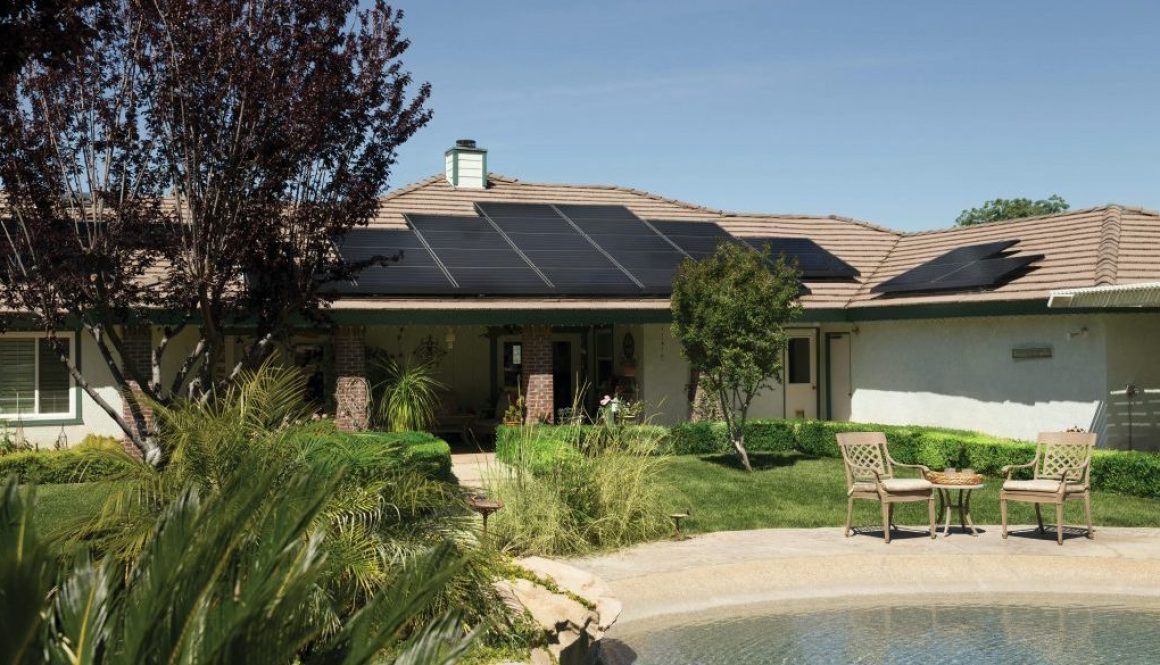
As the cost of power continues to increase, more homes are opting for less expensive solar panels this year. Solar energy is booming, owing to the typical 25-year life of solar panels, which can result in significant savings. As energy prices rise, installing solar panels on your house or company is a fantastic way to save money in the long run.
There are a few mistakes to avoid in your search for the right solar match. Many individuals are duped by misleading promises, organisations that cut corners or vanish as quickly as they exist, and ‘cheap’ deals that turn out to be too good to be true. Fortunately, these mistakes are simple to avoid.
Here are the top five mistakes home buyers make while buying for a solar panels , as well as how to prevent them.
Assuming that a low-cost system will function just as well as a high-end system
You’re probably thinking about going solar because of the possible savings. Saving money on the type of solar array that you install, on the other hand, is not the place to make corners. Remember that while purchasing cheap solar panels may appear to be a good option at the time, the short-term savings will cost you more money in the long run when you have to replace faulty or damaged system parts that failed prematurely. It’s foolish to think that all solar services are the same and that getting the lowest system is the best option. Accepting the cheapest estimate you can find could lead to major difficulties down the road, and those same systems usually come with little to no after-sales support. Cheaper solar systems are frequently more expensive in the long term than spending more for a premium system from a premium provider in the first place.
When it comes to cheap solar panels, you often get what you pay for:
Low-quality or improperly fitted panels
Defective inverters
A system that fails to meet its promises
Poor or non-existent after-sales customer care or support.
While a premium solution may be more expensive up front, it will pay off in the long run with significant energy savings, long-term performance, and continued after-sales support.
Not studying the brand(s) that the merchant is promoting
Regardless of the company, you should always seek numerous bids before purchasing and switching to solar energy. Some unscrupulous businesses will charge you four times the price of the panels and installation, wasting your money and time that you could be saving energy. Solar energy is a long-term investment in your home, so do everything you can to learn about the products and brands that your chosen supplier sells.
Follow the following steps
Conduct some internet research by reading forums and reviews; are other consumers having a positive experience with these products?
Contact each firm and ask them what kind of solar panels and inverters they use in their solutions, particularly the brand and manufacturer, and why they chose those manufacturers.
If the company is unable to respond your queries or just refuses to provide this info, end the call and remove them from your list.
Failure to plan for the future of your system
When making a large investment like solar, you want to ensure that you have considered any future demands or desires. Most solar energy systems can be linked to battery storage systems, but there are a few more factors to consider before making your final decision. If you intend to install a battery now or later, you may need to add some extra solar panels to ensure that you can generate electricity for both your daytime and evening demands. If that’s the case, can the provider explain how your solar system might need to change or be enlarged whenever you’re ready for that battery?
Not reading the warranty conditions
When you are preparing to sign up for your new solar energy system, carefully read any warranty conditions and ensure that you fully understand your rights.
It is critical that you properly understand your rights and the company’s or manufacturer’s duties. Examine how the organization intends to assist you with warranty claims and whether they will handle disagreements with manufacturers on your behalf.
A solar panel efficiency warranty protects the panel’s performance for a period of time, typically 25 years. This type of guarantee offered by the solar panel manufacturer is pretty common in the industry.
Having Excessive Expectations
It is also vital to remember that the sun is unpredictable and uncontrollable. The output of your solar energy system may vary from day to day and season to season based on the number of daylight hours and the level of cloud cover in your area. As a result, you must have a reasonable idea of how long the payback period will be until your investment will pay for itself. Variations in energy usage and savings are usual on a daily basis. Consider your solar energy project investment to be similar to a stock market investment; some days will be better than others. That is why you must conduct your research and ensure that you properly grasp what you may expect in return for your investment.
Converting to solar energy is both healthy for the environment and good for your money. However, you must enter the switching procedure with your eyes open. As you prepare to make this transition, keep these seven frequent blunders in mind and avoid them.
Are you looking for the reasons that why rooftop solar needs to make the technology jump? Then you are on the right spot continue reading the blog we will guide you on all the reasons and solutions to cope with this. First, you have to know that what is rooftop solar and how they work. Rooftop Solar power is a usable energy source that is generated from the sun in the form of thermal, heat, or electrical energy. Solar energy is easily captured in a different variety of ways, among all the most common of all is with the great photovoltaic rooftop solar panels that highly convert the rays coming from the sun into very much usable electricity.
Just aside from using the other photovoltaic cells or panels to generate electricity, great solar energy is highly used in different thermal applications to heat large indoor spaces or huge fluids. Residential as well as commercial property owners have also installed huge solar hot water systems and also design their high buildings with much passive and best solar heating in mind to highly and fully take the advantage of the energy coming from the sun with great solar technology.
Here we list down the 5 reasons why Rooftop Solar Needs to Make The Technology Jump, all of us should be looking very hard at the given module technology first when it highly comes to our solar rooftop requirements.
1. Rooftop solar highly support domestic upgrades.
Rooftop solar greatly subsidies need to highly nudge the buyers towards good technology upgrades, from the polycrystalline modules to a very newer version. If this rooftop solar means a pause in lowering the different rates, then it is a very much worthwhile investment for the long-term energy production just during the service life.
Most important of all, it will give you huge domestic manufacturers, which ultimately give you a much bigger market to target, and you consequently invest in the best product upgrade themselves. This also highly means that we are in the line with the other rest of the world where the huge Residential and good commercial segment has already highly adopted the newer technologies like for instance the most bifacial modules.
2. Give a long time span 25 years life
The 25 years life acquires very high real meaning here. In most of the developed markets, a good solar rooftop system is supposed to be added to the very real estate value of the house. In many countries, owners highly need to see it as a superb and appreciating asset, that can easily generate much higher returns just by considering the most upward, most trajectory of huge grid power costs. The overall performance degradation in the residential rooftop has daily and regularly outstripped the utility-scale plants, for many reasons related to the bad subpar quality of many types of equipment and installation process. This kind of short-term thinking highly needs to be condemned and junked.
3. Performance ratio and energy density
The main current component best manufacturers have very cleverly pivoted all discussion around the great Wp, where the higher is considered better. Whereas, for every rooftop solar owner, the overall discussion needs to go from very buzzwords like the great Wattpeak (WP)of the module. What matters very strongly is how the modules are been performing in the real conditions that are backed by the real data from the ground and have to know that what is the PR i.e the Performance ratio and the high energy density. In this case, it is only the owner’s who own money at his\her risk, itself a very strong case to consider by everyone with a critical eye.
4. Long term verification future proof
The future Proof against the forced upgrades. For a huge 25 year high investment, it is very much critical to go with the technology and the high service standards that can highly deliver.
Many of the firms offering a very high level of service support the backed by a very real record on the ground just by signaling their overall commitment to the market. You should go with those.
5. The Rooftop Solar is not easily Stifled With the Price ‘Ceilings’
A very large part of some residential rooftop segment is highly wedded to a much-controlled pricing regime just due to its bond linkage with other central subsidies and other state agencies that highly approve the vendors, a very much significant part of the commercial industrial segment and industrial segment (C&I), is highly free of such stifling controls.
With much better prices and great models like the RESCO (Renewable Energy Service Company) or the open, it has been in the very interest of the huge developers to make a great quality a high key factor when it just comes to the modules, and that has clearly been shown in the overall results. Some final words!
Rooftop Solar is a whole big new world, with a completely varied different list of requirements. Be its comparisons with the expensive grid power or other space constraints, its high role as a primary or great supplementary energy source that can be attained by everyone.
The energy generated by heat and sunlight is known as solar energy. When solar energy is converted into electricity or used to heat air, water, or other substances, solar power is created.
Solar energy can be used for a range of applications, including cabin remote power systems, telecommunications devices, remote sensing, and, of course, electricity generation by residential and commercial solar electric systems.
Since solar panels are usually mounted on higher ground, safety should be one of the first considerations. You may have found that your solar system’s overall performance has decreased after a month or so. Dust is, of course, the primary cause. Over time, layers of dust accumulate on the solar panel’s surface, decreasing performance significantly. Solar panels have an efficiency rating of 18% to 25% on average, but this rating will drop if they are dirty. The cleaning method for PV modules/Solar panels is determined by the type of dirt on the panels.
One of the most efficient ways to recover a solar panel’s lost productivity is to clean it properly. If your home solar system is less than 5 kW, wet cleaning with water and a brush is advised. Cleaning solar panels manually, on the other hand, is a challenging and time-consuming process if you have a larger solar system. As a result, solar panel cleaning robots are always the better choice. These systems clean solar system with air pressure and no water.
Here are a few steps you can take if you find solar panels within your safe range.
Turn off your solar system completely before you clean solar panel
Examine the manufacturer’s instructions for your solar panels. Most of the time, it comes with detailed cleaning instructions that is “how to maintain your solar panels”.
Avoid climbing onto your roof to clean solar panel. It is hazardous to both you and your solar panels. Clean your solar panels from the ground if at all possible.
There should be no use of metal objects, harsh abrasives, or detergents. Scuffs on solar panels can cast shadows and reduce efficiency. Simply wet a clean cloth-covered sponge or a soft plastic brush.
Power washing with plain water is the best method to clean solar panel because it is quick and effective, but it is also dangerous. The glass/metal seal on the front of the solar panel is unable to withstand the force of power washing, and forcing water into the solar panel would almost certainly break the panel and void the warranty. However, with caution, power washing can be efficient.
It’s possible that a decent nozzle attachment on your garden hose would help to clean solar panel. If there is a lot of dust and dirt on your solar panels, you may need to clean solar panel more thoroughly. Use a squeegee with a long extension to clean solar panel.
When the solar panels are hot, do not spray them with water. The glass may break, and even if it does not break, the metal/glass seal may be damaged. You could argue that rain on a hot day would have the same effect, but you shouldn’t take the chance.
You should never scrub dirt from your solar panel with anything other than a soft cloth. Scrubbing dust will permanently etch the glass of your panel and remove any hydrophilic or non-reflective coatings that may be present.
If the dust is loose, you may want to brush it away, but this may be difficult due to static electricity. Sweeping conserves water and is simple to implement; all you need is a good broom.
Rain is usually effective at removing dust from Solar panels. If rain is fairly consistent in your area.
Natural cleaning products, such as vinegar, are excellent for cleaning solar panels made of glass. To make a gentle but highly effective solution for your panels, combine 12 teaspoon non-abrasive detergent or soap with 2 cups water and 14 cup vinegar.
Avoid using detergents if at all possible, as they may streak the glass of the panel. The use of abrasive powders also increases the possibility of scratching the solar panels. Given the nature of high-quality solar panel glass, a little clean water and scrubbing with a coarse cloth-covered sponge or soft brush should be enough to remove even the most stubborn grime.
Half-fill the spray bottle with warm water and soap, then spray the solar panel. Using a soft cloth or sponge, clean the surface.
Use Windex to clean the panel. It does an excellent job.
Avoid climbing on the surface of the solar panel.
On the market, there are numerous solar panel cleaning equipment options.
Repeat the process every six months. This ensures that your solar panels remain clean while producing as much energy as possible.
Near about all regions in India are prone to extreme weather conditions. From the shivering cold climates of Northern India to the scorching hot temperatures of the South, an increased number of household and business owners are interested in having commercial solar panels installed, but wonder about the effects that extreme weather conditions can have on their solar set-up.
To clear out the misinformation widespread, it’s important to discuss the myths in regards to solar panels and extreme weather.
Here are the 10 most common misconceptions that people have about the effect of weather on commercial solar panels, alongside the actual truths.
Misconception No. 1: Rainfall Damages The Solar Panels
By far, this is the biggest concern the potential clients looking to get solar panels installed in their housing have.
Most modern solar panels are extremely durable and no physical damage is inflicted on them by the falling stream of raindrops since they can tolerate a substantial amount of mechanical stress.
Also, truth be told, the rain actually helps your panels in generating more solar energy as it cleans away any dust or dirt particles that could block the sunlight from reaching the panel surface.
Misconception No. 2: Solar Panels Don’t Work Well In Cold Climates
There is no direct relationship between the solar energy generated by commercial panels and extreme weather conditions as seen in subfreezing cold climates.
This is because the solar panels extract energy from light, and not from the heat of sun rays.
Similar to the case of rainfall, cold actually helps the solar panel installations in performing better, as it prevents them from overheating and undergoing circuitry damage.
The bottom line is: As long as your panels receive sunlight, even the freezing temperatures can’t interrupt them from generating solar energy.
Misconception No. 3: Solar Panels Are Unproductive In Cloudy Days
Today’s commercial solar panels are more productive than ever before, and cloudy days don’t prevent them from powering your appliances through solar energy.
The solar panels work as long as they receive sunlight.
Thus, even though the clouds partially block the rays of the sun, the installed panels can successfully generate solar energy through the limited sunlight they receive.
Misconception No. 4: Solar Panel Installations Are Ineffective In The Snow
This is downright incorrect. Snow doesn’t cause physical damage to the solar panels — it can only block the sunlight from reaching their surface.
If installed correctly as per the climatic zone, that is, if your solar panels are placed in a diagonal or slanted manner, the snow is bound to slip off their surface and their functioning isn’t disrupted.
Besides, today’s solar panels are designed to effectively work under extreme weather conditions and variations in temperature pertaining to both scorching hot and snowy cold climates don’t render them inoperative.
Misconception No. 5: Solar Panels Perform Poorly In Windy Weather
Untrue. A durably installed solar panel set-up isn’t any more affected by heavy winds or stormy weather than any other part of your housing or facility.
They are highly resistant to damage from blustery conditions and can endure significant external pressure.
Misconception No. 6: Solar Panels Crack And Break Under Hail
Each solar panel produced by a reputed brand is obliged to undergo strict testing for extreme weather conditions.
Only after the solar panels satisfy durability, quality, and safety assessments, they’re allowed to be installed in a building or housing.
The tested solar panels are extraordinarily resilient to the sizes and types of hailstones that can fall on them, and can stand against their impact sturdily.
Misconception No. 7: Solar Panel Perform Badly In Autumn
The reliable, stable, and durable solar panels manufactured with well-researched designs do not get affected by either the conditions or the leaves that fall around in the autumn season.
Misconception No. 8: Solar Panels Can’t Tolerate Weather Fluctuations
One of the tests that the commercial solar panels undergo is the thermal cycling test in which they’re subjected to thermal stress by abruptly fluctuating the temperature from -40°C to 90°C, about 150 to 250 times.
To pass this test, solar panels need to endure these fluctuations and not show any interconnection or cell breakage.
Thus, most of the commercial solar panels available today can withstand extreme temperature fluctuations easily and productively generate solar energy.
Misconception No. 9: Pollution Deteriorates The Functioning Of Solar Panels.
Environmental pollution that may or may not be caused by extreme weather conditions has no effect whatsoever on solar panels.
The pollutants that might settle on top of the panel surface get cleaned out on their own through natural phenomena such as wind or rain.
Misconception No. 10: The Higher The Temp, The Better It Is For Solar Panels.
As already mentioned, the solar panels generate solar energy through light, and not the heat emitted by the sunrays.
A higher temperature doesn’t equate to a higher energy output as the panels might get overheated. This could have a negative impact on the internal functioning, junction box, or solder bonds of the solar panel set-up.
However, the majority of commercial solar panels are extremely tolerant of sweltering temperatures and do not usually overheat.
When we talk about the feasibility of solar energy, in a sunny state like India it would be rather unwise to not make the best of nature’s bounty. Be it cumulative long term savings on your bills or lowering your carbon footprints to help protect the environment, rooftop solar panels are gaining general populace’s interest. You must have already heard a lot about the benefits of having solar panels on your rooftops and want to know whether this investment is meant for you or not. Here are a few things to know before you get your home equipped with rooftop solar panels.
– Is your roof suitable for rooftop solar panels?
Before considering the usefulness, efficiency and cost of installing rooftop solar panels, one needs to know if solar energy will work for them. Due to any reason if your roof is covered with shade or doesn’t get enough sunlight, obviously the solar panels won’t generate substantial solar energy without direct sunlight for at least a couple of hours. If you are yet to buy yourself a home and wish to go green, watch out for properties that don’t stand in the endless shades of skyscrapers.
To make the best out of your rooftop solar panels it is even favourable for Indians (people living in the northern hemisphere) if the rooftop is facing a bit towards south, east or west.
– How much will you be saving on your utility bills?
If for any reason solar energy isn’t helping you save on your electricity bills then again, it’s not for you. Charges per unit of power in every state are different and if one belongs to a region with cheaper tariffs why would they want to make a hefty investment on something that won’t even recover its cost in a long while. The greater the per unit cost of electricity of electricity providers the greater the saving. Typically for a 10-12 Rs per unit tariff one may save upto 8 Rs per unit.
– Is your house leased or owned?
For a rented house it will obviously be a big mistake to get it solar equipped as a tenant because you don’t know whether you will be able to get your investment back in long term savings on the bills. In that case, You could inform the owner about the benefits of solar power and ask them to get the house solar energy equipped.
If it’s your own house, buy the best product you can after comparing a few quotes from different brands. Don’t just get the one your friend recently bought for their home. Don’t give into high pressure sales tactics. Don’t rush after some pseudo European brand that you have been seeing ads of lately. Chasing after brands based on their manufacturing country would be a mistake, as 6 of the top 10 solar panel manufacturing companies in the world based on global market share (in 2019) belong to China. India too ranks in the top 10 manufacturing countries. Some other countries in the list include- the US, Japan, Germany and India.
– Compare Specs and Warranty
Once you have narrowed down to a few choices compare the spec sheets of the panels. One should rather go for efficiency over saving a few thousand rupees in case of solar panels. Solar panel warranty in Indian markets can range from 10 years to 25 years. Solar panels are made to withstand all kinds of weather and can even last about 30 years. So why go for a 10 year warranty when a reputable brand is offering you much more. If you have to live in a rented house for a while and you still want to choose solar energy, you could get some cheap panels with 10 years of warranty but try to buy the best inverter you can. Inverter warranty is separate. Typical inverter warranties range from 5 to 10 years which can be upgraded to 25 years in some cases.
– Type of panels
In Solar as in real estate space matters a lot. If your roof doesn’t have enough space for large panels but you still need the same efficiency, you could go for monocrystalline panels over the cheaper and bit less efficient polycrystalline variants. If you have all the space but don’t want to spend too much for any reason you could go for thin film panels that are cheaper than even polycrystalline panels but also less efficient. Ideally solar panels with high efficiency that occupy less space are recommended.
– Solar panel certifications
If you live on the coast side you must check the salt, mist, corrosion resistance on the product. And when living in the snowy mountains one must go for the solar panels with increased load capacity. With advancements in technology there are now quite a few certifications and specs for a PV system. The Ministry of New and Renewable Energy (MNRE) of India had issued guidelines in 2019 regarding BIS standards that are applicable for components of solar systems. Depending on your geographical location and your requirements you can opt for the appropriate solar panels of your liking.
India is emerging in the world as a prominent generator of renewable energy. In its efforts to move towards advanced sustainable development, the government has set an ambitious target to achieve by the end of 2022. The usage of residential and commercial solar rooftop systems have reaffirmed the strength of belief. It has recently been observed that with the advancement of solar energy, many businesses, industries and organizations are feeling more confident switching to solar rooftop. Commercial solar rooftop systems may seem quite direct as rooftop solar systems for businesses as compared to residential solar rooftop systems for homes. However, commercial solar is quite a broad term and caters to a variety of customers and arrangements. In addition to businesses of different formats, from large organisations to small businesses, commercial solar rooftop also addresses the needs of governments, schools, universities and NGOs.
There are Several Reasons that Establish the Benefits of Installing Solar Rooftop Panels on Commercial Buildings:
Solar Rooftop is Aided with Government Incentives –
In order to let people adopt and adapt to solar energy, the government offers tax credits to those who install rooftop solar panels whether it be of residential or commercial nature. According to the Ministry of New and Renewable Energy, the government pays 30% of the installation cost as a subsidy.
Solar Rooftop Panels Need Optimal Maintenance –
One of the factors that establishes the importance of rooftop solar panels is that they require very less maintenance. They come with a service life of over 15 years. Also, rooftop solar panels can be installed on any type of roof. So, businesses don’t need to vacate land or invest in buying additional land to set up solar rooftop panels.
Solar Rooftop Gives an Advanced, Environment Friendly Access to Energy –
Many businesses rely on alternatives like diesel generators. These alternatives pose harmful effects on health, environment and they have unsteady operating costs. In this case, solar energy is a lifesaver and serves as an affordable source of electricity. Since rooftop solar panels harness the power of the sun, they are eco-friendly and sustainable.
Solar Rooftop is a Cost Effective Method –
The biggest advantage of installing a rooftop solar system is that it offers cost savings. For building owners, rooftop solar installations can even help in cutting down electricity bills. Rooftop panels supply electricity to buildings, so they need to buy less electricity from the grid thereby saving on energy expenditures.
Solar Rooftop is a Steady Investment –
Electricity prices keep changing each year. So, it is difficult to keep a tab on expenditure on electricity for an extended period of time, which turns out to be quite unpredictable for a business establishment. However, when it comes to electricity generated by solar rooftops, the price can be easily calculated. In fact, one can calculate the cost of electricity generation for another 5-10 years (or till the time the solar rooftop system is up and running).
Solar Rooftop Helps in Combating Carbon Footprint –
Solar panels harness sunlight to generate electricity. So, they pose lesser pollution risks to the environment in comparison to other sources of energy. Unlike a generator, they run without producing any loud noise and give out negligible emissions of harmful gases.
Solar Rooftop Leads To Green Energy – Clean Energy –
The consumers, especially industrial and commercial customers, are willing to make investments to contribute towards the safety and upkeep of the environment – Rooftop solar is the first step towards that ultimate goal of Zero Harmful Emissions.
Multiple Applications of Solar Rooftop Systems –
Along with the production of electricity, solar power can meet several other purposes. It can be used to heat water and supply hot water or air to a building.
Solar Rooftop Is Suitable For Indian Climate –
India is situated at an ideal geographical location and receives ample sunlight almost all year round. There are 300 sunny days with clear skies each year in India which makes it best suited for solar rooftop installations.
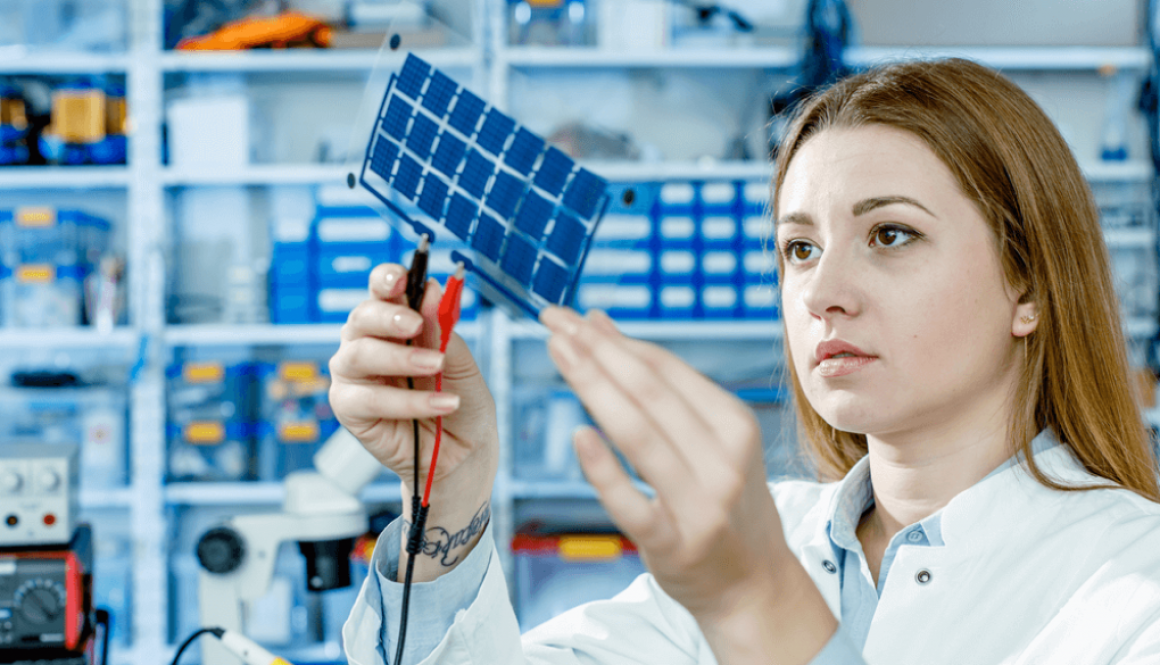
You may hear the word efficiency been thrown around a lot when discussing solar energy. Currently, the low solar panel efficiency is the number one reason why consumers resist adopting solar energy. The solar panels available in the market today possess an efficiency of around 14% to 18%. Researchers have spent the majority of their efforts in increasing the efficiency of the solar panels. New experiments reveal that researchers are on the cusp of something new.
Before revealing how researchers are tackling the issue of low efficiency, let’s first understand what is solar efficiency and the basic understanding of how solar panels work.
What Is Solar Efficiency?
Solar panel efficiency is the amount of energy a solar cell can convert when it interacts with sunlight into usable electricity. These solar cells are tightly packed in a rectangular box designed to attract sunlight. For additional information about solar panel manufacturing, you can visit the blog How Are Solar Panels Manufactured? The Ultimate Guide.
The measurement of efficiency can be done easily if the efficiency of a solar panel is termed as 20% efficient, it means it can convert 20% of the energy received from the sunlight.
How Does a Solar Panel Work?
In simple terms, the solar panel works by allowing photons to interact with the silicon particles releasing electrons resulting in the flow of electricity. They are usually comprised of a number of photovoltaic cells (Photovoltaic simple means converting the energy of a photon to electricity)
Ground Breaking Research to Increase Solar Efficiency
#1 Development of New Process to Improve the Efficiency of DSSC (Dye-Sensitized Solar Cell)
Dye-sensitized solar cells are third-generation solar cells which convert any visible light into electrical energy. DSSC is a disruptive technology which can be used to create electricity even in low light conditions, indoors and outdoors, enabling you to convert both natural and artificial light.
The DSSC holds a lot of promise because of their environmental benefits. But the current DSSC technology has a very low light to electricity conversion ratio. The new process addresses this inefficiency.
The first generation silicon-based solar cells have a high efficiency of 26% but they are not economical. Second generation thin-film solar cells comprising semiconductors have comparable efficiencies with a similar price range. The third generation DSSC solar cells have low efficiency, with lower cost and less environmental impact.
Researchers recently introduced holmium oxide, a powerful paramagnetic material into the anode of a DSSC cell and applying an external magnetic field. The experiment showed a spike inefficiency.
However, the application of magnetic field consumes a lot of external energy because the electromagnets themselves require an external power source for functioning. Researchers then replaced holmium oxide with iron oxide magnetic particles which produce a magnetic field internally. Even this experiment witnessed a spike inefficiency.
The dye molecule absorbs the light energy in DSSC and causes the electron to jump to titania and then the external circuit, which results in the flow of electrons and thus electricity.
#2 A New Way to Strike High Energy Photons to the Silicon Material
Traditional solar energy panels have an absolute low-efficiency mechanism. In principle, a single photon could only extract one silicon electron, irrespective of the energy it possesses.
Researchers have now developed a way to strike high energy photon and knock out two electrons instead of one.
How Do Photons and Electrons Interact?
The energy from the photons can be absorbed or released by electrons. When an electron absorbs a photon, it gains the energy to release itself and move freely in the vacuum chamber or it can release the energy as another photon. Solar panels absorb energy from electrons to generate electricity.
Researchers Split the Absolute Photon’s Energy
The present silicon solar cells have a theoretical maximum efficiency of 29%. As mentioned earlier, no matter how energetic the photon is, the principle is to extract only one electron. The new process developed by researchers involves extracting two electrons from a single energy photon by using a phenomenon called “excited states”
What is an Exited State?
When an electron temporarily achieved a state higher than its original ground state, the phenomenon is known as the excited state of an electron. An electron can become excited when supplied from an external energy source such as packets of photons or light.
In excitons, when the packets of energy travel like electrons in the circuit, you can use them to change the amount of energy they possess – you can cut them or you can combine them to gain the required output.
The researchers were successful in carrying out a singlet exciton fission, which allows a single photon of sunlight to be split into two individual packets of energy.
First, the material absorbs light energy and enter into an exciton state that rapidly undergoes fission and splits the photon into two energy packets, each one possessing half the energy of the original photon.
The next task researchers had was to combine these packets of energy with silicon electrons, a material that is not excitonic. A layer of hafnium oxynitride acts as an intermediate layer for the excited states to transfer two electrons to the silicon material.
Theoretically, this produces a much greater energy output than the traditional solar panels. Currently, the theoretical efficiency lies around 29%, this process is promising a jump to 35%.
The next hurdle is to optimize the silicon cell to adapt this process and hence the commercial application of this new technology may take a few years.
The efficiency of the solar cells is the biggest hurdle in the widespread acceptance of this clean renewable source. With the advent of new technology, promises around solar efficiency are taking a new and exciting turn. If successful, solar energy could really become the future fuel as predicted by many energy experts.
The two new methods of enhancing the existing efficiency of solar panels look promising. The best thing about these technologies is that it doesn’t require any additional accessories since the research is been done at an atomic level with few chances of getting affected by any external factors.
The benefits of installing a solar panels are many. We think everyone knows enough about the advantages of installing a solar panel. Even though solar panels saves a lot of money in the long run, many feel that its initial investments are too high. Recent advancements in technology and Government’s push towards renewable resources has reduced the cost of solar panel installation considerably.
The problem is that many are still not aware of various financing options regarding solar panel installation. This blog explores your various options when it comes to solar financing. There are affordable solar financing plans for every budget and options which works for you.
Before you dive into solar financing information, you need to first decide whether you want to buy or lease your solar panels.
Is it Better To Buy Or Lease Solar Panels?
Your decision to buy or lease a solar panel will largely affect your financing options.
The practical difference between buying and leasing a solar panel is in its ownership status. If you buy the solar panel system, you become the rightful owner of all the associated apparatus and the energy produced. If you lease the solar panel or get into a power Purchase Agreement (PPA), a third party owns the system and the energy produced.
Buying a solar panel system is a best option when…
Want to maximize the financial returns of installing a solar panel system rather than just benefiting the environment
If you are eligible to receive tax credits from the government
Are a business, and planning to treat solar panel system as an asset
As a house owner, wants to increase the value of your property.
Leasing a solar panel system is a best option when…
You are primarily interested in just reaping the energy benefits and not interested in maximizing your financial returns
Do not possess the capacity to make huge initial investments
Want to avoid the responsibility of maintenance or repairs of the solar panels
Are ineligible to receive any tax credits from the government.
The Solar Loans
If you plan to purchase your solar panel system, solar loan is your best option when it comes to solar panel financing. Solar loans are capable of funding all the costs of a solar panel system. Some loans even cover the maintenance and repair costs.
Why solar loans prove beneficial?
Your monthly savings on the electricity bill is greater than the loan.s monthly payments, earning you profit right from the beginning.
The loans allocated in solar financing has a similar structure and terms and conditions as a home improvement loan.
Buy buying your own solar energy panel you are being eligible to various government subsidies and tax savings.
Solar loans are either secured or unsecured, based on which the interest rates, term length and credit requirement is decided.
Solar Loans FAQ
What are Secured and Unsecured Loans?
Secured loans are those where you keep an asset which serves as a collateral for the loan amount to be paid. Unsecured loans are those where your solar panel system itself is an asset. Both the loans has its own implications on the borrower.
Deciding your monthly installments
The amount you decide to pay every month decides the duration and rate of interest you will be paying. Loans with longer terms will have a lower per month amount but you will pay a greater rate of Interest in the long run and vice versa.
The Availability Of Solar Loans
Apart from traditional banks there are several others who can help you sanction a solar financing loan
Solar panel manufacturers: Offers loans through their solar installation network
Government set institutions: Many government institutions offer solar loans tailored specifically for home owners and business organizations
Public-private partnerships: Can offer solar energy loan programs. Local government agencies partner with private lenders to offer solar loans with lower interest rates and no fees
Utilities: Offers loans to finance the solar panel systems and ask them to repay in the form of electricity bills.
Solar Leases and Power Purchase Agreement
Solar leases and power purchase agreement (PPA) are similar to renting your solar panel system.
The considerations while leasing solar panels
With a lease or a PPA, you allow a third party owner to install a solar panel system on your property. In exchange you can pay them a below market rate to use solar energy as a part of the agreement.
Choosing a lease or a PPA will cut down your electricity cost by 30-40%, without investing any money upfront.
The owner will be responsible for maintaining and repairing cost of solar panels.
At the end of the lease agreement, the owner can either enter into a new agreement, remove the solar panels or sell the panels to you at a fair market price.
What is Terms of Agreement in a Solar Lease?
The terms of agreement is the deal you sign when opting for a solar lease options. The terms mentioned in the agreement differs on the type of lease you choose. Lease and PPA terms vary across state and hence you need to explore different lease agreements and choose the one suitable for you.
The Key Difference Between Solar Lease and PPA
Even though solar lease and PPA are used interchangeably on this page and practically works the same way. There is a key difference between the two. With lease agreement, you agree to pay a fixed amount in the lease form, depending upon the electricity generated by the solar panel system.With PPA, instead of paying a fixed lease, you agree to pay the electricity bill per unit consumed.
Terms Involved In Solar Lease or PPA
The terms you need to know when you are entering into a solar lease. The terminologies may make you feel overwhelmed at the beginning but in the long run they provide you with flexibility in the event of circumstances change:
Term Length: The residential solar leases spans between 20 to 25 years length. Commercial solar panels can be customized as per your requirement.
Performance and Maintenance: The owner leasing the solar panel system is responsible for the maintenance of the solar panels and its repairing costs. Although, solar panels require a minimum maintenance cost.
Monitoring: Many solar panel dealers offers apps, devices to monitor and track your solar panel performance.
Buying the solar panel system: If you wish you could buy the solar panel system at any time during the lease term at a price defined in your contract or at a fair market price, whichever is higher.
Selling your home: If you decide to sell your house, the new house owner can continue the lease agreement. You could even buy the solar system and include it in the price of the property.
End of Terms: After the end of terms, you can either buy the solar panel system or the owner could relocate it to a different building.
Comparing Solar Loans And Solar Leases
Both solar loans and solar leases have its own pros and cons. You need to consider some factors and choose an option suitable for you.
Cash flow: Both solar loans and solar lease save money from your pocket. The monthly payment from solar loans and solar lease are lower than your general electricity bills. Solar loans however has the highest savings in the long run since the payment is spread across the span of 7 to 10 years while solar lease depends on the terms you sign in the agreement.
Long term payments: Solar loans are generally spread across the span of 10 years and has a fixed monthly installment. The tenure for solar lease depends on your terms of agreement and has an annual growth of 1 to 3 percent. If you compare the monthly payments for a 10 year plan, the solar loans financing plan costs less than the solar lease or PPA financing plan.
Maintenance: Solar panels are robust in operation and requires almost no maintenance. Most solar panels offer a minimum 25 years warranty.
If you lease solar panel, the maintenance cost is covered by the owner and should provide a service program to cover the costs of any maintenance issues that arise during the tenure of lease agreement. When you choose solar loan financing option you become the owner of the solar panel system and all the maintenance and repair cost should be covered by you.
Application process: Solar lease agreements can be signed off in one single meeting since majority of terms and conditions are pre-determined. With solar loan financing option, there are many step by step procedures set, which may take up weeks of time. Additionally, the time may vary depending on the type of loan you choose to carry Secured on unsecured.
Selling your solar property: Solar lease financing option lets the new owner of the house carry forward the lease agreement or you can purchase the solar panel system and add it to the overall cost of the house. With solar loans your options vary depending on the type of loan – secured or unsecured. Irrespective of type of loan, houses with solar panel installation sell at a premium rate.
Conclusion
We hope that this blog post has resolved your doubts about solar financing. Solar is the future of human society and the more information we gather, the more we are becoming confident about its reliability.
Owning a solar panel system may seem like a huge cost in the beginning, but with these solar financing options you can easily install a solar panel at your home. The Government is also pushing various schemes in order to promote the benefits of adopting solar energy. We guess it’s time for you to think about this energy of the future.
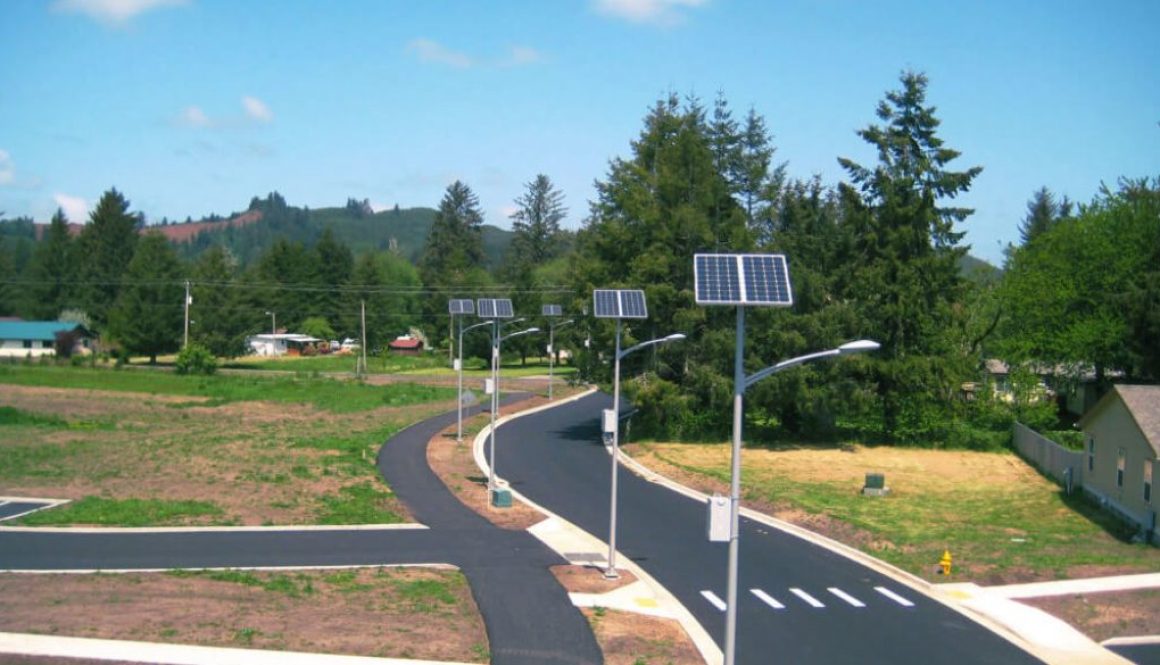
Solar Photovoltaic street lighting systems are outdoor lighting systems which are designed to be self-sufficient and sustainable. These outdoors systems are apt for streets, parks, landscape lighting, parking etc. Automated and armed to switch on and off, as and when the Sun goes down and visible light gains strength by the dawn, these systems are energy efficient and impactful. The automated switching is enabled by the light source fitted in the system, which detects the open-air light source.
The Photovoltaic Street Lighting Stand-alone Systems are easy to maintain. This system comprises of:
SPV module (Solar Photovoltaic model);
A Chargeable controller;
Battery;
Luminaries;
Interconnecting cables
Components in brief:
SPV Module: Since the core of an SPV module is the solar panel, the system has a pole mounted panel of Solar photovoltaic cells. The SPV produces electricity which is then stored in the batteries. However, it is important for the installation of the panel to be angled correctly in a way that the face of the panel is towards the direction, which receives maximum sunlight.
Battery:The SPV panel produces electricity that lights up the system. The power to light up the system is drawn from the batteries, which are a part of the SPV module. The SPV modules are self-sufficient because the batteries are a part of the system. The batteries are in a battery box attached to the pole of the system. For street lighting, tubular lead acid batteries are used. Since it is the batteries which need to be replaced in the SPV system, the battery box is always fixed at an accessible height
Charger Controller Unit (CCU): It is one of the main components that perform the vital task of controlling the battery charging level of the SPV module. When the panel starts producing electricity, which in turn charges the battery, the charge controller as the name suggests, monitors the overcharging. When the CCU senses that the charging is going overboard, it automatically disconnects the panel and the battery. CCU is also tasked with signalling low battery, battery charging and battery charged indications. An impactful CCU makes up for the battery life. The CCU can be customized too. It may be instructed to work through the night or may be set up to work for a counted numbers of hours.
Here one might question the need for such systems, in terms of their reliability, given that they are solar by nature, durability and even strength. Here are a few pointers to dispel the doubts.
1) Reliability: This is an often asked question. The doubts stem from the fact that SPV modules work using sunlight as their primary source of power. In that case, what about the days when there is no or limited amount of Sunlight, during the rains, the winters, and even a damp day?
The SPV modules are designed to withstand such weather conditions. The panels mounted on the pole are not only strong but are also equipped to work for three to four days in case of unfavourable weather conditions. Installing a solar-powered lighting system has advantages that exceed far more than the obvious ones.
2) Off-grid: A Solar Photovoltaic Street Lighting Stand-alone System is not connected to any grid. It operates on its own. The immediate consequence of this is prominent in the electricity bills which are much lower.
3) No Emission: Fuelled by the Sun’s green energy, these lights have no consequential emissions whatsoever.
4) Convenience of dismantling: The parts of a solar Photovoltaic Street Lighting Stand-alone Systems are assembled. The pole is fitted with the solar panel, the battery box is fitted onto the pole later and these systems have no cables to bother about. If these systems need transferring, it can be easily done since each part of the system is easily dismantled.
5) Easy maintenance: The Solar panel comes with a warranty of 25 years. Moreover, the photovoltaic cells in the panels do not need any kind of maintenance except for a water wash to wash away the dust and the bird droppings. The major maintenance in a way is needed for the batteries which need to be changed. For this very reason, the battery boxes are always fixed at a reachable height on the pole. It is also suggested that places, where the temperatures drop low, placing the battery box underground, helps in maintaining a healthy life cycle of the batteries.
6) Apt for difficult terrain: High altitude and treacherous terrains are often braved by truckers, drivers and travellers. In these areas, night street lights are a must. Installation of electricity poles and the whole set up of cables is not only messy but also quite risky. Here an SPV street lighting stand-alone system cuts the deal. Easy to install, with no cables attached, the solar lighting is ideal for these roads. Additionally, high altitude exposes these areas to immense sunlight. The downside would be strong winds. However, the poles on which the SPVs mounted, are made sturdy enough to withstand strong winds and hence this should not be a problem.
7) Safety: One of the major concerns with street lighting systems has always been public safety. If an electric pole falls, the causalities range from major injuries to fatal electrocution.
This is absolutely negated when it comes to the solar street light system since ;
The power is drawn from the battery and therefore even if the pole falls when being lit, there would be no electrocution.
With no cables attached and no network to share, consequential damages to other solar street lights are none.
Conclusion: Technological advancements have made Photovoltaic Street Lighting Stand-alone Systems possible. This system has made harnessing solar power possible for the outdoors, where the challenge was not so much about lighting the street as much as it was about controlling the lighting periods. With the automated systems now available, these systems are being favoured over the electricity poles and lights.